

Touring Europe in our Ineos Grenadier: the best 4x4 on the road

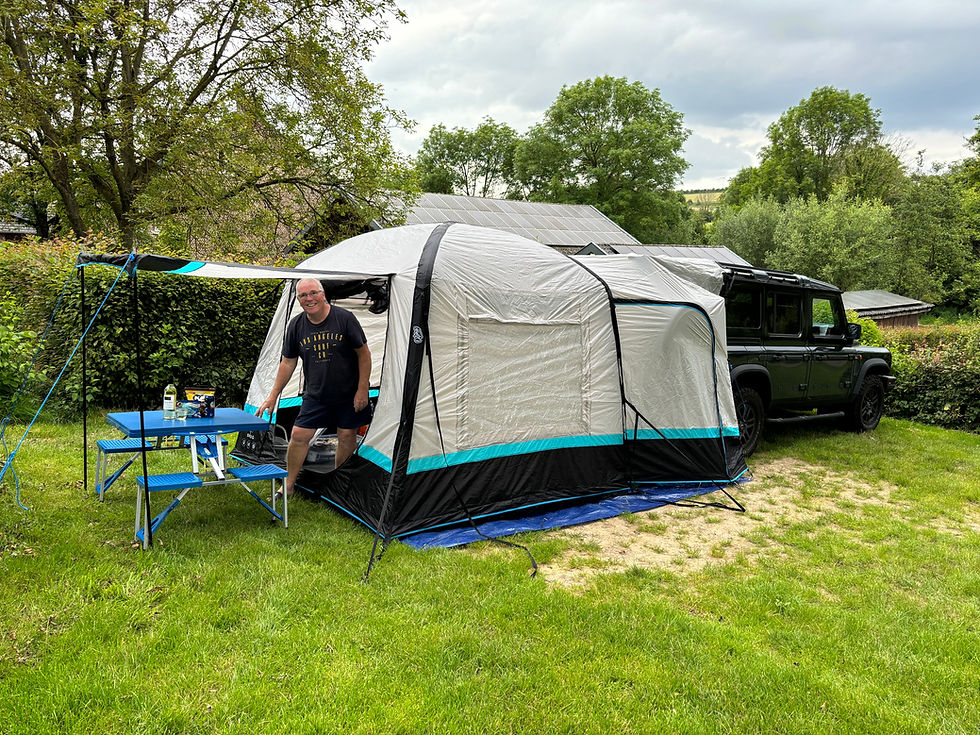
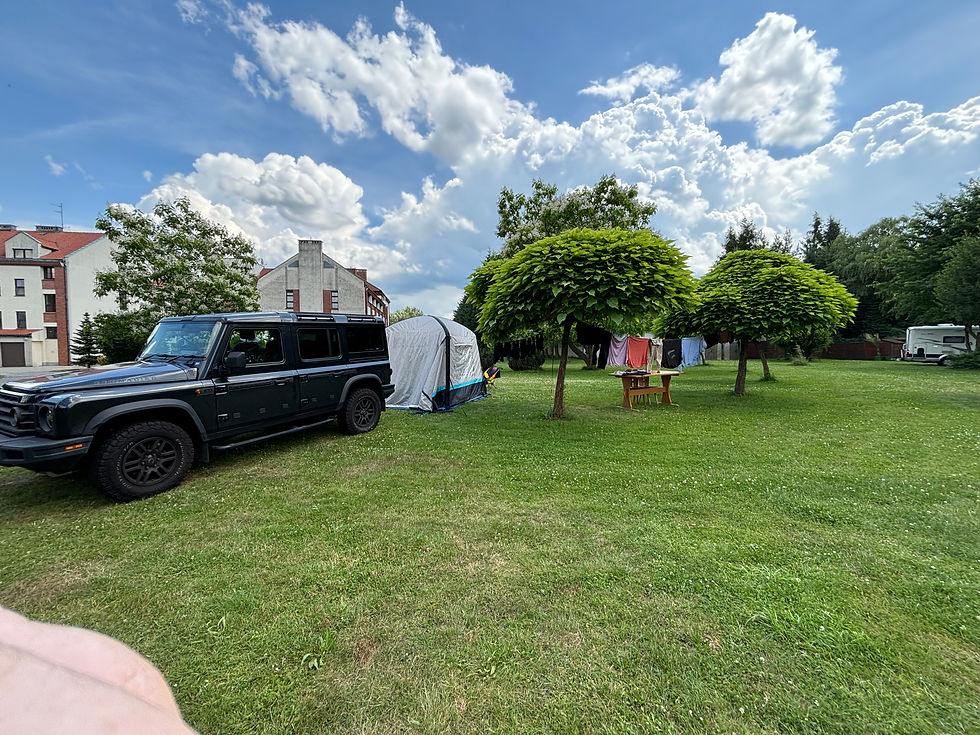
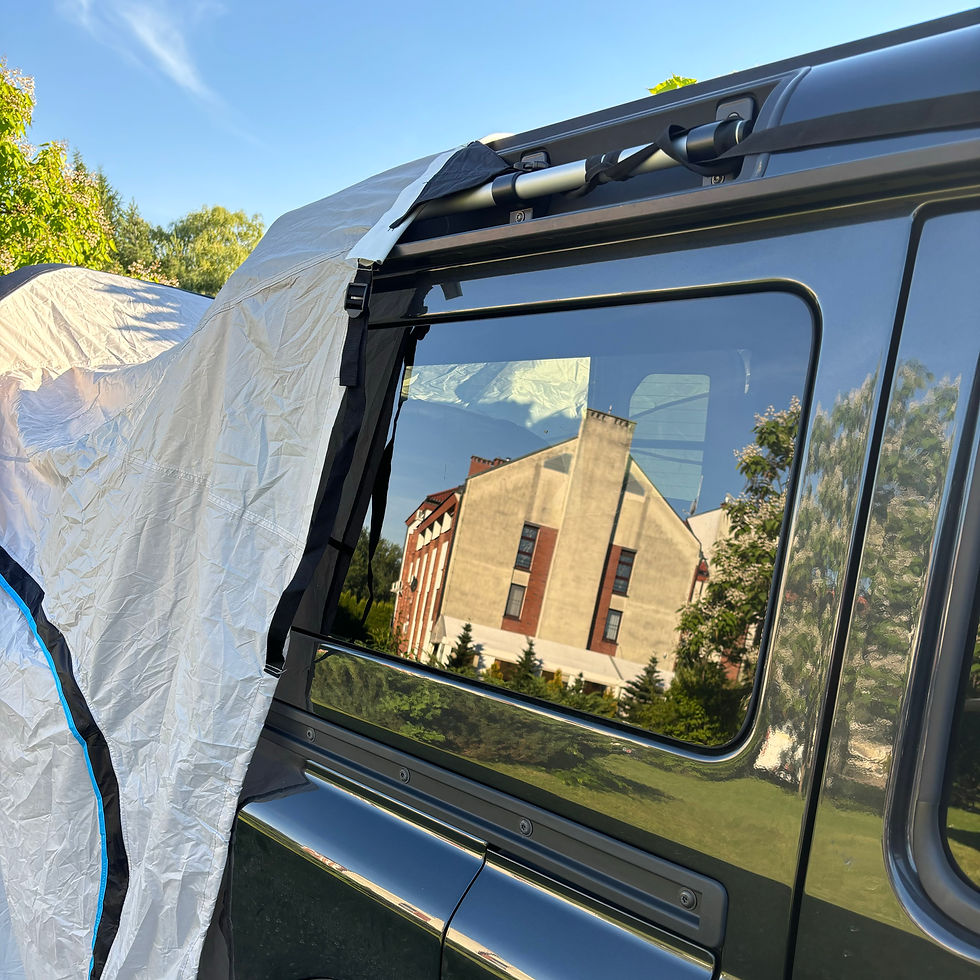
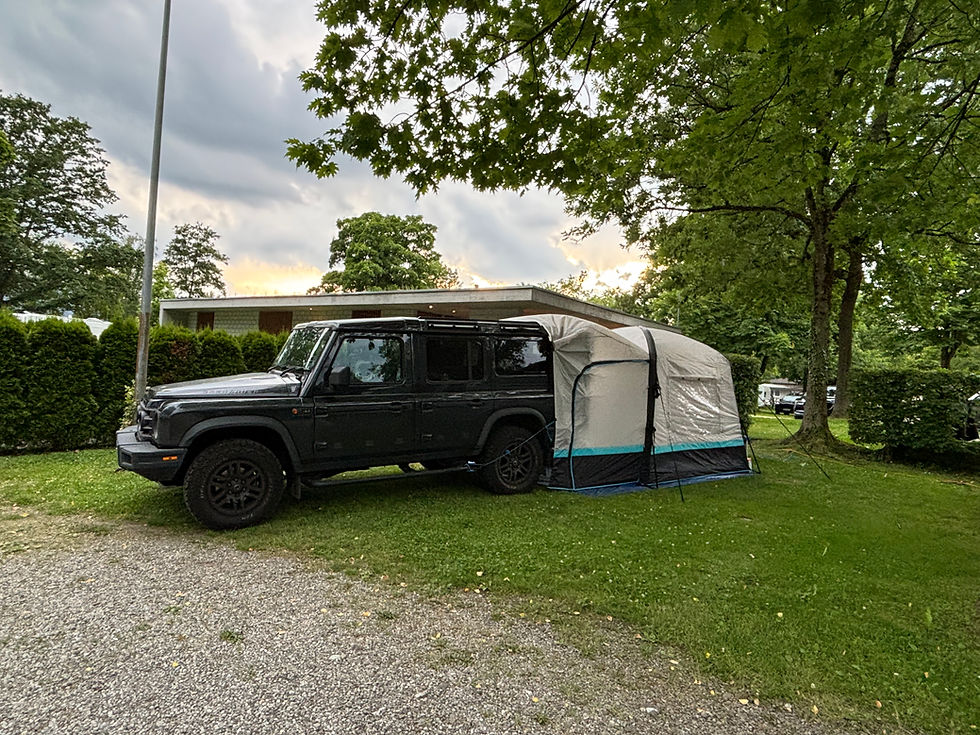
We took our Ineos Grenadier on a journey through Europe, visiting 10 different countries over 21 days. While we slept in the back on our custom-made bed, we also bought an awning tent this time to attach across the rear doors, providing space for storage, cooking, and toilet facilities.
Discover the incredible places we explored, how we managed, and what camp life was like without a campervan or motorhome, but with the best 4x4 available.
Travelling in Europe requires some planning, as each country has its own rules for road travel, emission zones, and overnight parking. Check out our Travel Tips section for truly helpful information.
Ineos Grenadier the best 4x4 on the road: How does it fare driving around Europe?
In 2024, we embarked on a 21-day tour around Europe, visiting 10 countries with our Grenadier Fieldmaster. This vehicle served not only as our means of transportation but also as our sleeping quarters. We covered a total of 3700 miles with 84 hours driving time, and the drive was consistently comfortable never missing a beat. The road conditions varied in terms of quality, gradients and switchbacks all of which it handled brilliantly with an overall mpg of 26. Not bad eh!
We had previously used our car as a bedroom whilst travelling across southern Norway and in a recent tour across the Outer Hebrides. Michael had constructed a bed with storage underneath that occupied the entire back of our car. For details on how he built it, visit our Grenadier page here. After our Norway trip we decided to buy an awning tent to give us extra living space and had trialled this in our tour around the Outer Hebrides 3 months earlier. This was a game changer particularly if we were stopping for more than one night in any place as we could leave our belongings stored which made life a bit easier as we needed to pack up the bed each day we drove the car.
Ok let's get into the detail of the places and countries we visited as we set off Touring Europe in our Ineos Grenadier
1. Belgium
2. Germany
3. Czechia
4. Poland
5. Slovenia
6. Austria
7. Slovakia
8. Italy
9. France
10. UK
Day 1-2 Belgium
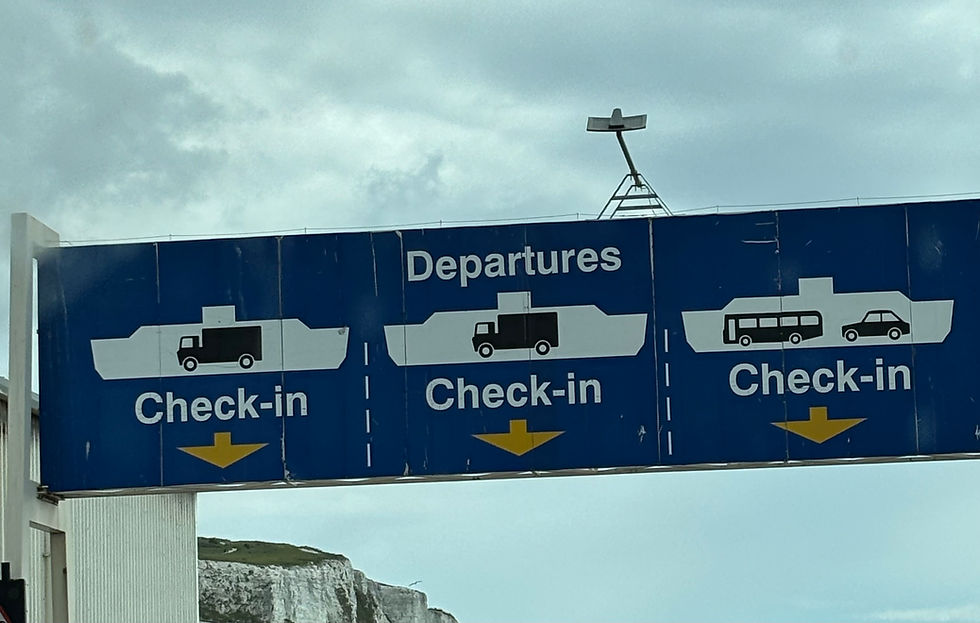
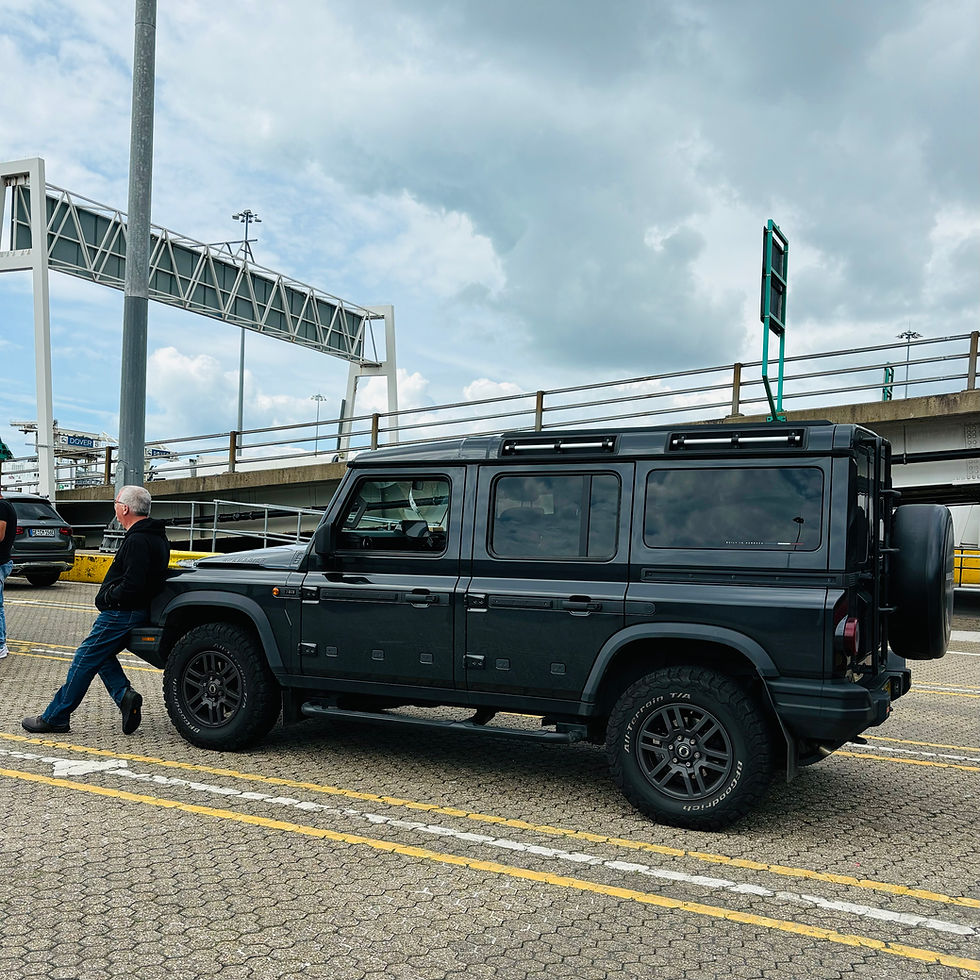
After departing from Cheshire on Day 1, we drove to Dover, took the ferry to Dunkirk, and then traveled to Bruges in Belgium. We adore this city and stayed for one night at our first ever Vegan Bed & Breakfast. The three-story house is located in the historic center of Bruges, in a building dating back to 1905. The average cost per night is £130 and includes a delicious vegan breakfast in the family kitchen. Free parking is available about 10 minutes away, but you can drop off your luggage at the house first. The location by the river is excellent, with easy access to the picturesque city, offering plenty to see and do.


We arranged a walking tour via Booking.com, which is free to book, and you pay the guide what you feel is fair for their expertise (10 euros per person seemed reasonable). The tour lasted a couple of hours and was enjoyable, informative, and the perfect way to gain insight into the city's development.
Provinciaal Hof The City Hall Memorial Arch The Belfry Entrance to a bike store Saint Johns Hospital Sculpture in Bruges Michael walking into the hospital site The Church of our Lady Oud St Jans Hospital
We learned about the local industry and how the signs above buildings indicated the type of business, the local hospital, the cathedral, and much more. A walking tour allows you to revisit places at your own pace for further exploration.
One of the highlights that keeps us returning to Bruges is the vegan waffles from Otto Waffle. They are incredible, allowing you to choose your own toppings, including vegan caramel sauce, chocolate sauce, cocoa nibs, nuts, and fruit.
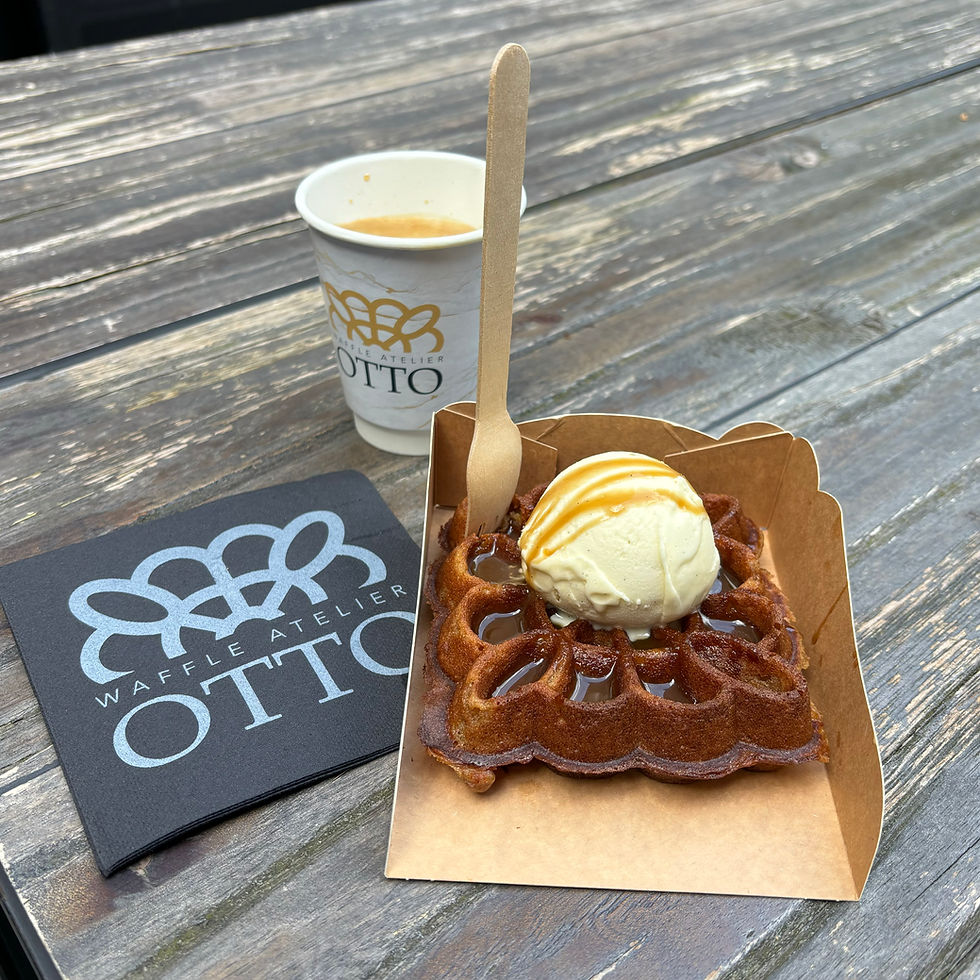
Bruges also offers numerous cafes and restaurants serving vegan food, so you'll never go hungry.
Day 3-5 Germany (12-15)
Our journey continued as we set up camp in Vaals while driving south through Germany towards Cologne. We spent one night in Vaals and the following night in Hirschhorn (Neckar), with plans to visit Heidelburg, a traditional university city. Despite the slightly overcast and drizzly weather, we took the train from near the campsite into Heidelburg and explored the historic buildings, many of which belong to the university.

Heidelberg University The Old Bridge Spiral staircase The Bridge Monkey
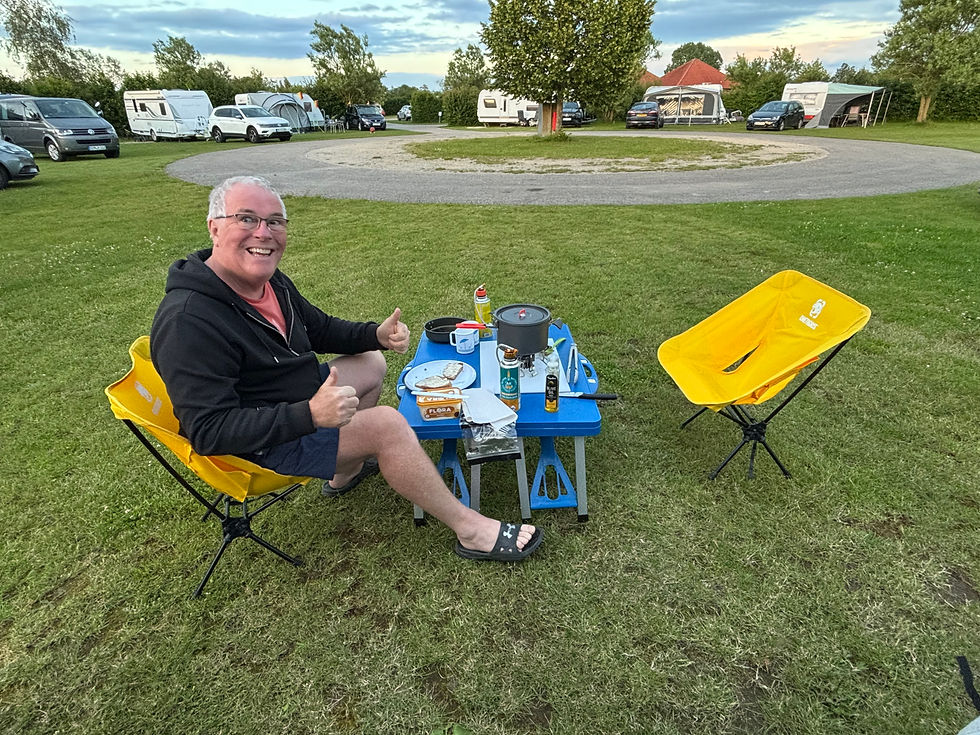
After leaving Heidelburg, we headed to our next campsite at Campingplatz Zum fischer-Michl. It was a charming spot, and even though we arrived late, they managed to find us a pitch. The site had a wonderful community atmosphere with a bar and cafe available.
Day 6-7 Czechia (15-17)
After leaving Germany, we traveled to Czechia and discovered a wonderful family-owned campsite in Vrane nad Vitavou. It was quite crowded when we arrived, but since we planned to stay for two nights, they managed to find us a spot as some guests were leaving the following day. The owner was fantastic, speaking English and offering advice about the trains into Prague. The site featured a bar and cafe, along with excellent self-catering facilities.
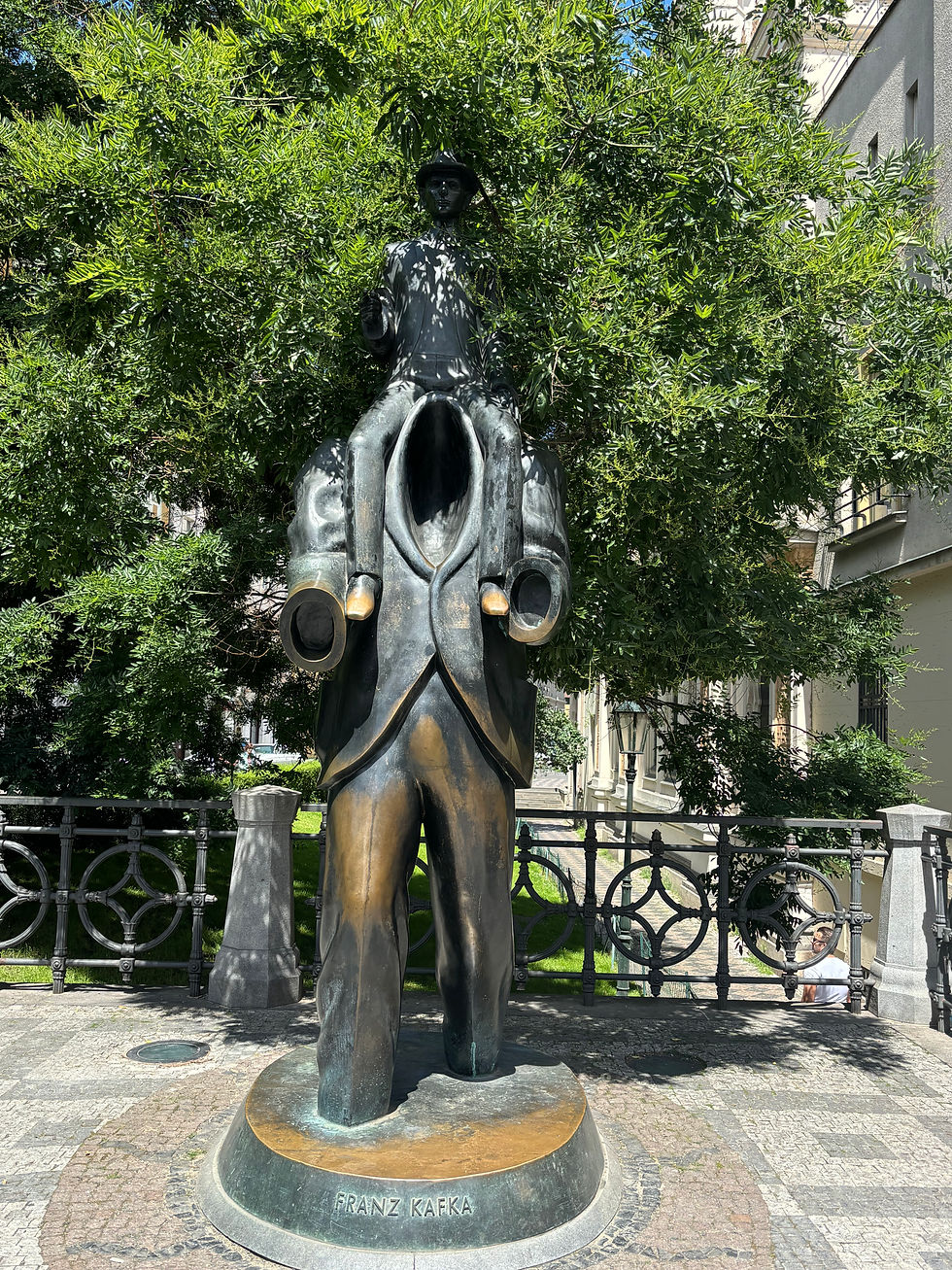
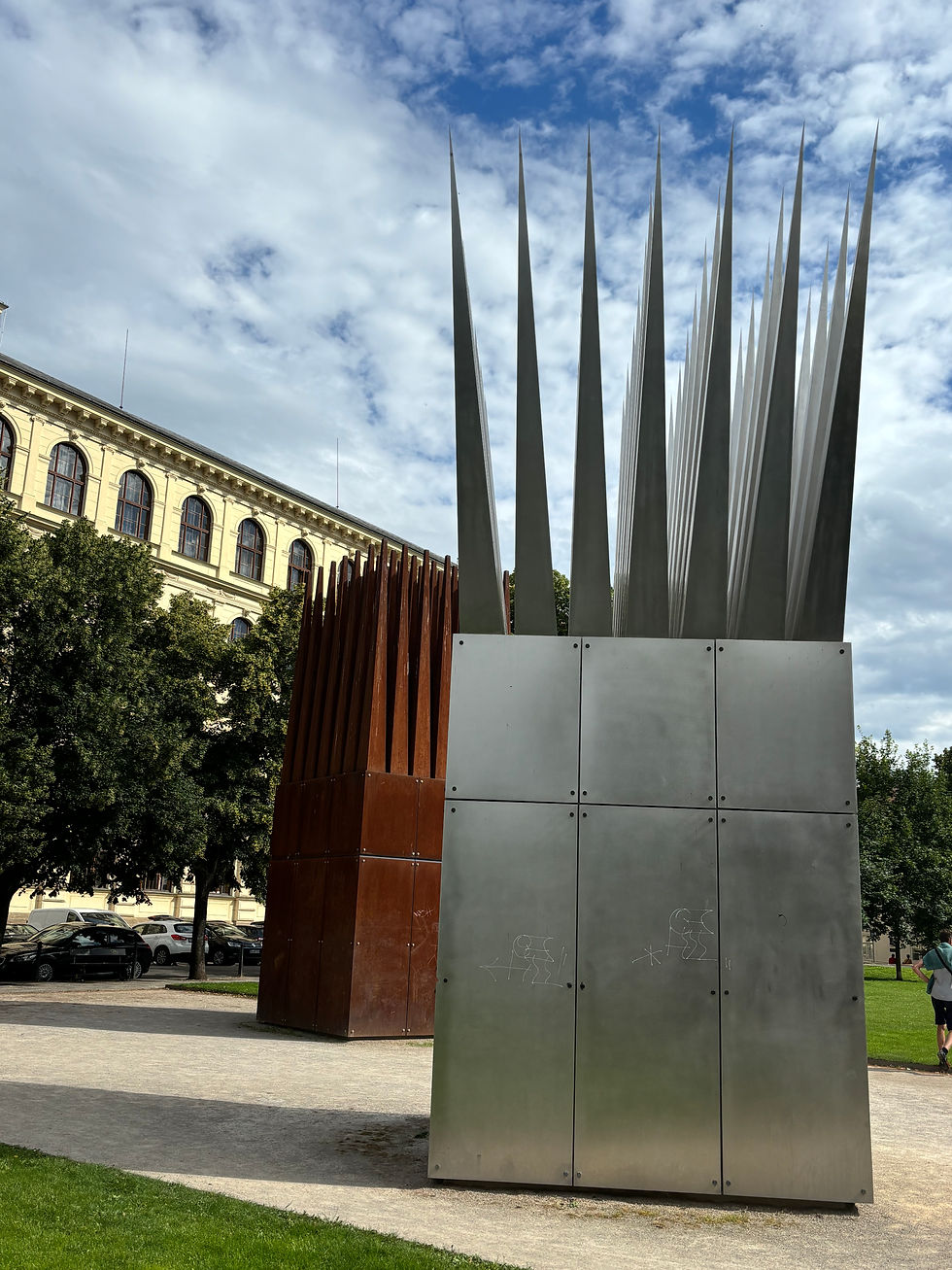
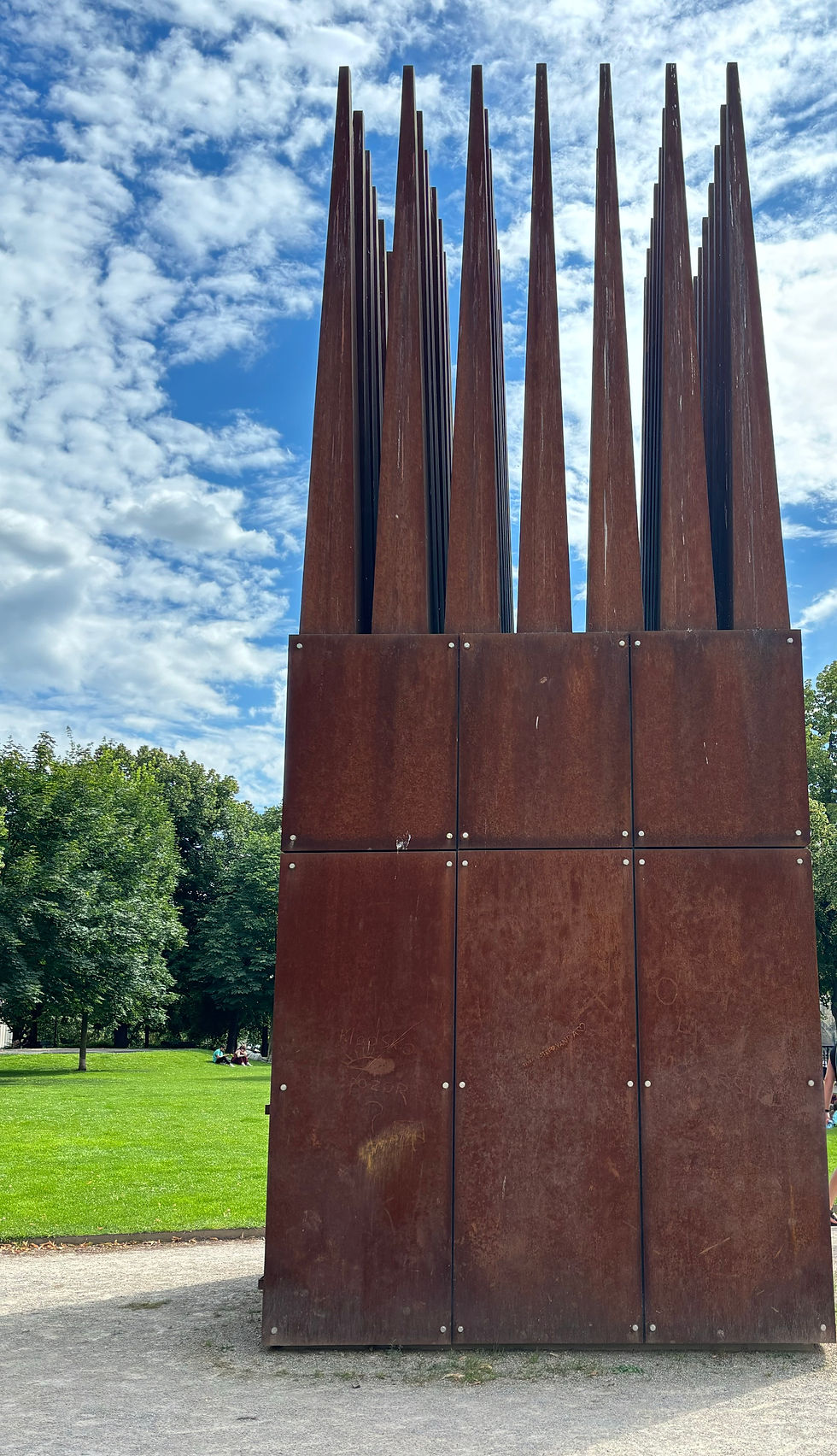
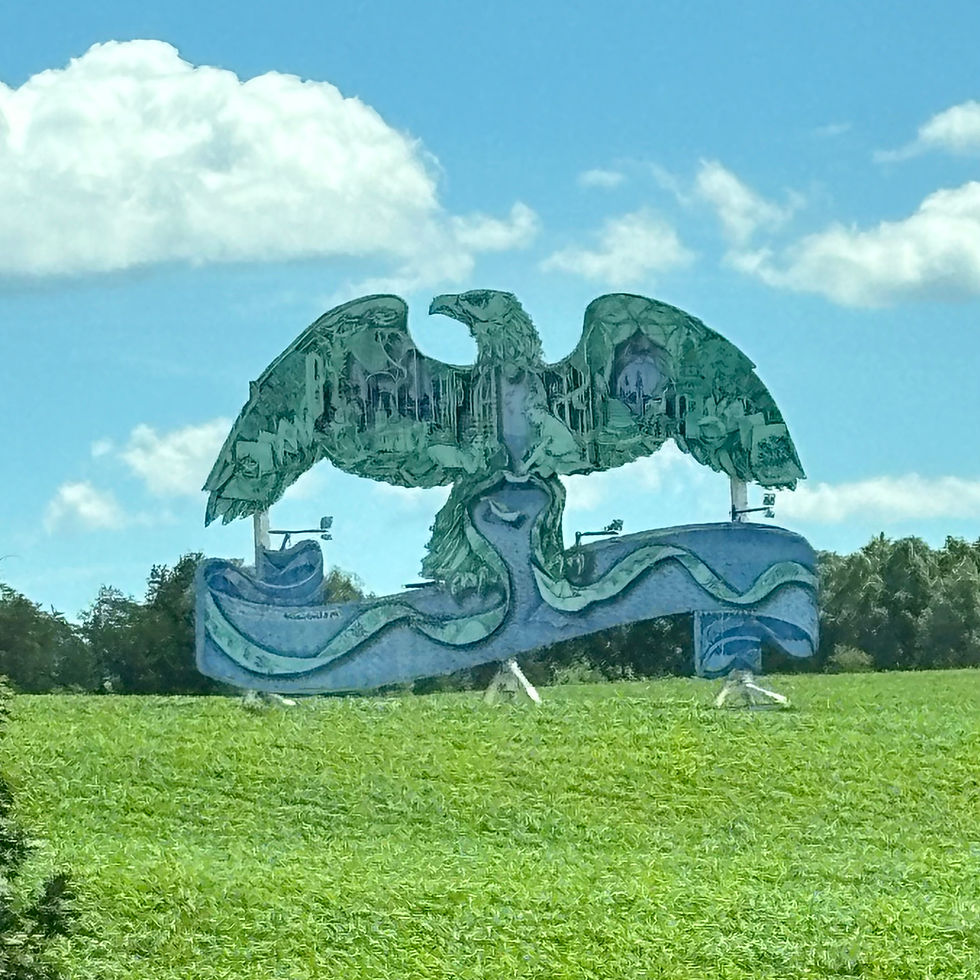
Our journey to Czechia Amazing art installations Time for tea added the vegan sausages A cheeky beer
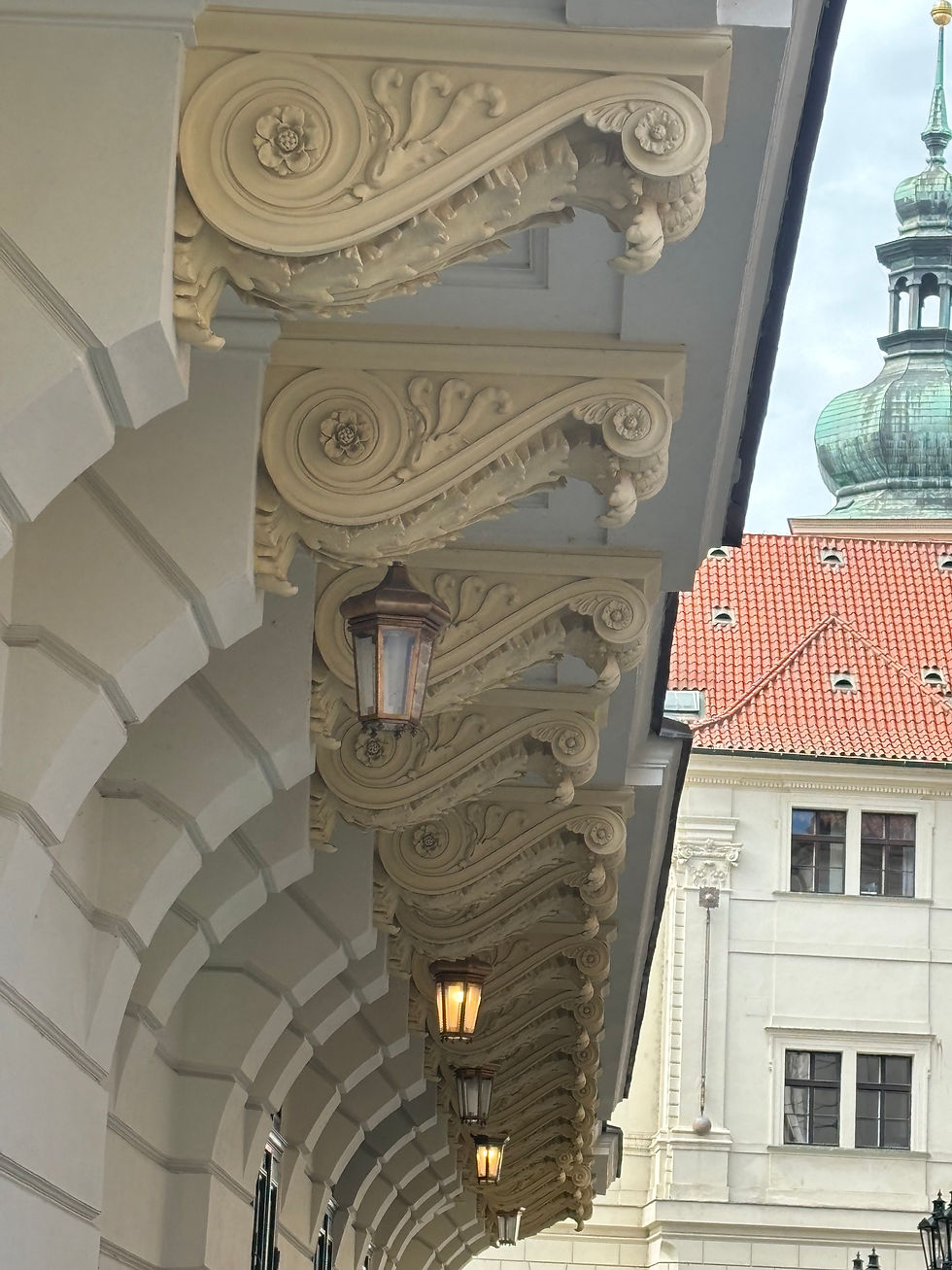
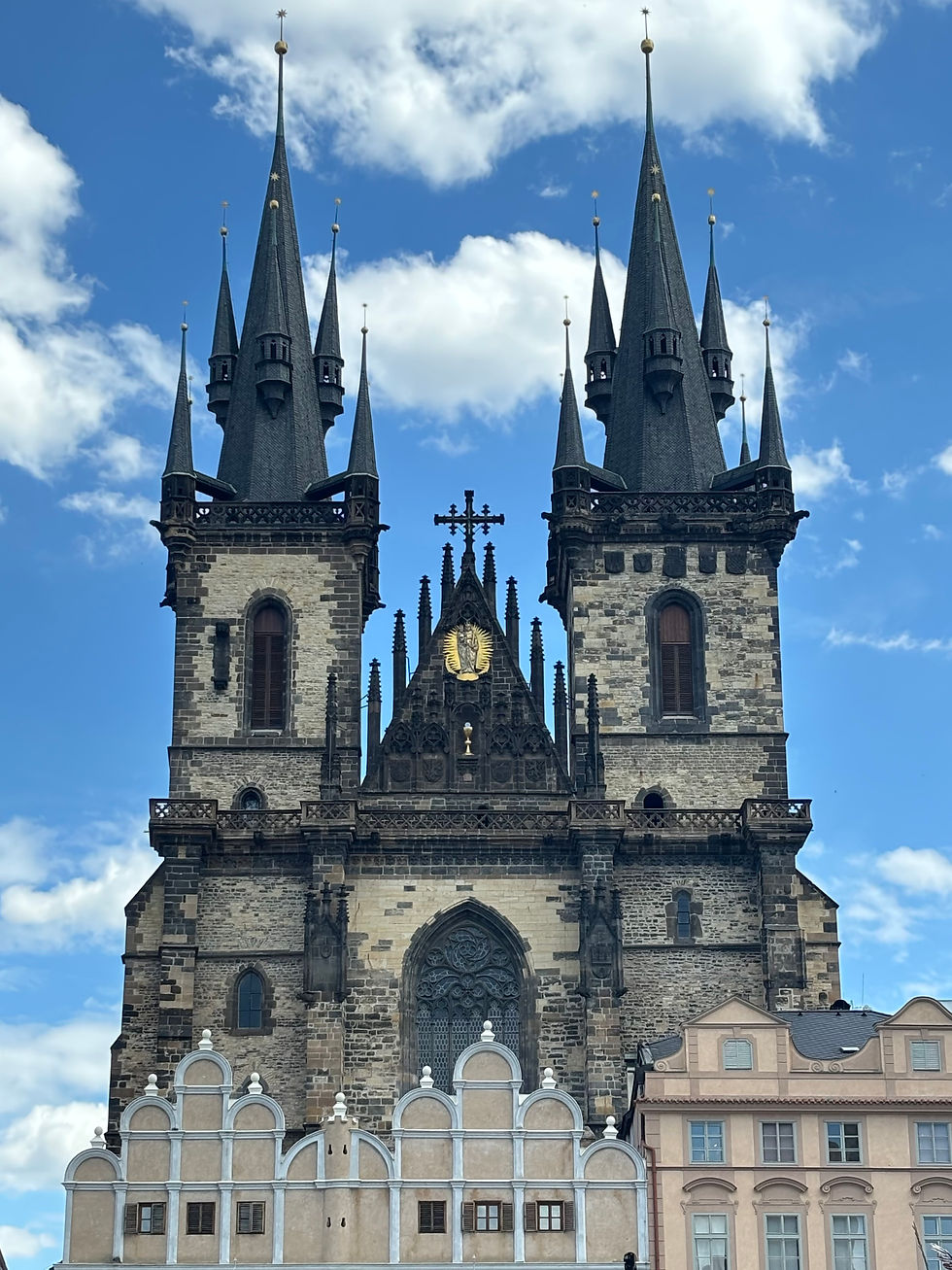
Taking the train to Prague was straightforward, and after our really good experience in Bruges we decided to join another walking city tour. Unfortunately, the experience wasn't as good as expected because the guide extended the tour to four hours which was way too long. Some participants left early, and in retrospect, we should have done the same. We missed the chance to explore Prague on our own and to see in more detail some of its magnificent buildings and museums. We didn't even get to cross the bridge and visit the castle. However, we plan to return to enjoy the many vegan eateries in Prague and explore the city at our own pace. Our recommendation is to explore the city independently and use a guidebook for historical information.







Day 7-9 Poland (17-19)
After leaving Czechia, we drove to Poland without having reserved a campsite. The first one we encountered seemed quite run-down and didnt feel quite so safe. As our plan was to visit Auschwitz and the Wieliczka Salt Mines we searched for a campsite within walking distance of either site. In Oswiecim, we found a campsite that was part of the Centre for Dialogue and Prayer, an educational and event space that allowed camping in its gardens. You are able to stay here even if like us you are atheists, it about respect and reflection. It featured bathroom and washing facilities, as well as areas to sit and relax, particularly in the evening sun. It was a perfect quiet space to stay.



The Wieliczka Salt Mines, a UNESCO World Heritage site, feature vast mines and tunnels. Although the tour covers a lot, it represents only a fraction of the mine's actual size. The mine, established over 700 years ago, reaches a depth of 327 metres, with the deepest point of the tour descending to 135 metres. It includes lakes, sculptures, and unique geological chambers. Visitors must descend 800 steps, but the return to the surface is easier thanks to a compact miners' lift making it accessible to most able-bodied individuals. The tour lasts 2-3 hours, covers 3.5 km, and maintains a consistent temperature of around 18°C. Booking online is advisable due to its popularity among tourists and school groups. Visitors are grouped and scheduled to ensure a relaxed experience, though staying with your group is mandatory to avoid getting lost in the labyrinthine tunnels. Highlights included the engineering marvels, the striking turquoise lakes, and an underground chapel used weekly for local worship. The cost is about £25 per person which offers excellent value for money.
Karen and Michael Michael going down the many steps the Salt Mines are several hundred years old Tunnelling methods and equipment The wooden support structures wooden support structures Signage to different chambers More turn screws sculptures seen throughout historical facts displays of how the mines were secured salt sculptures The original stone steps an underground cathedral Sunday services held weekly sculpture of the 12 apostles intricate carvings Underground lagoons Michael ascending The lift takes you back to the surface
Our second excursion in Poland was to the Auschwitz Memorial and Museum. It is essential to book this visit several weeks in advance online, as tickets for English-speaking guides sell out quickly. The tour, which requires a guide, includes a bus transfer to Birkenau I & II and lasts up to 6 hours. Prepare for a long and reflective day, but it is an important visit to honor the countless lives lost in concentration camps here and worldwide. Tickets cost approximately £30 per person. The museum presents harrowing exhibits that one might prefer not to see, yet they serve as a stark reminder of humanity's potential for atrocity if unchecked. The Polish city Oswiecim was annexed to the Third Reich by the Nazi's and the name changed to Auschwitz. This became the site of the concentration camp and extermination centre for ethnic cleansing of Poland. It was after 1942 that this became the largest Nazi centre for the extermination of the Jewish people.
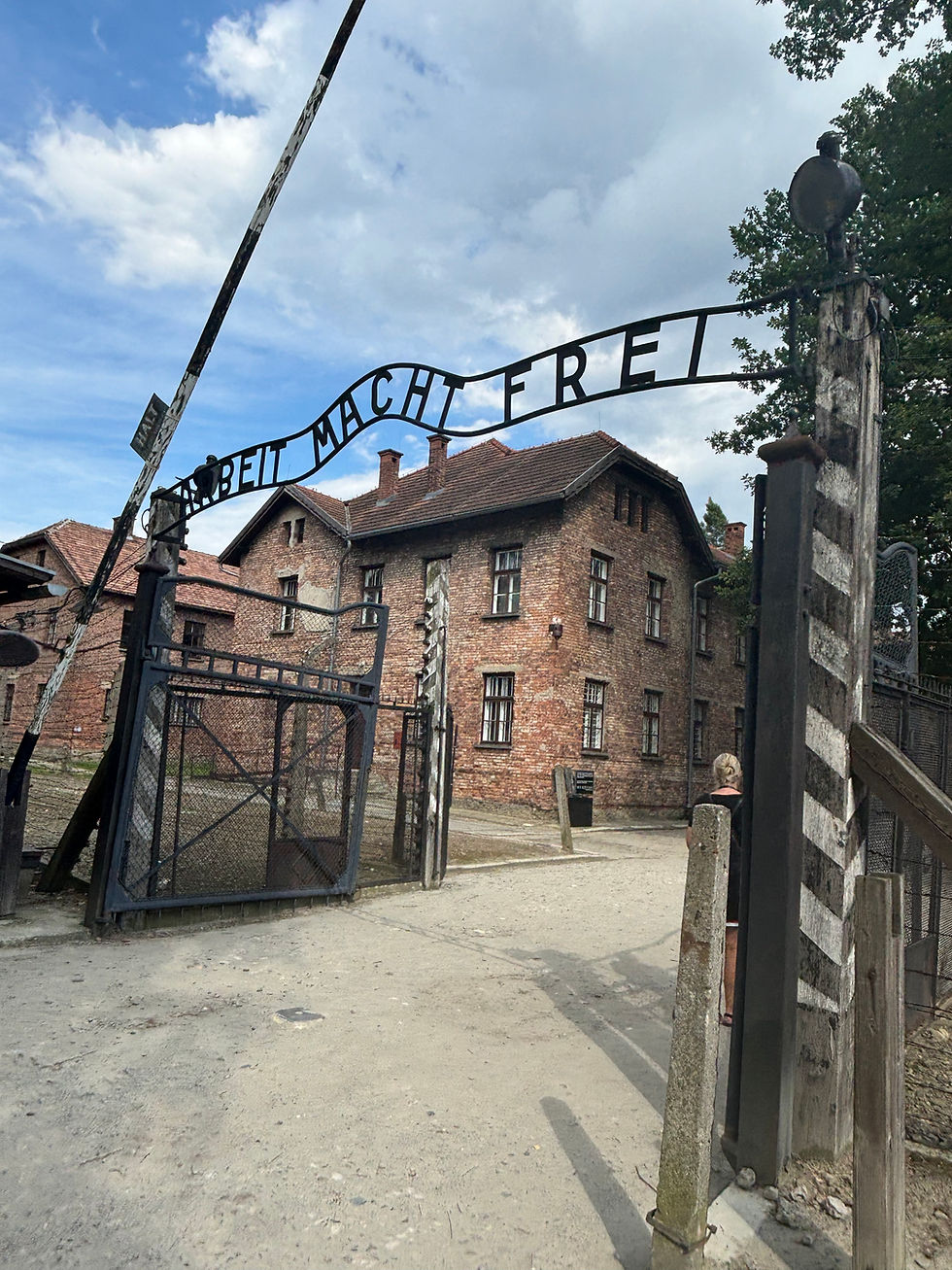


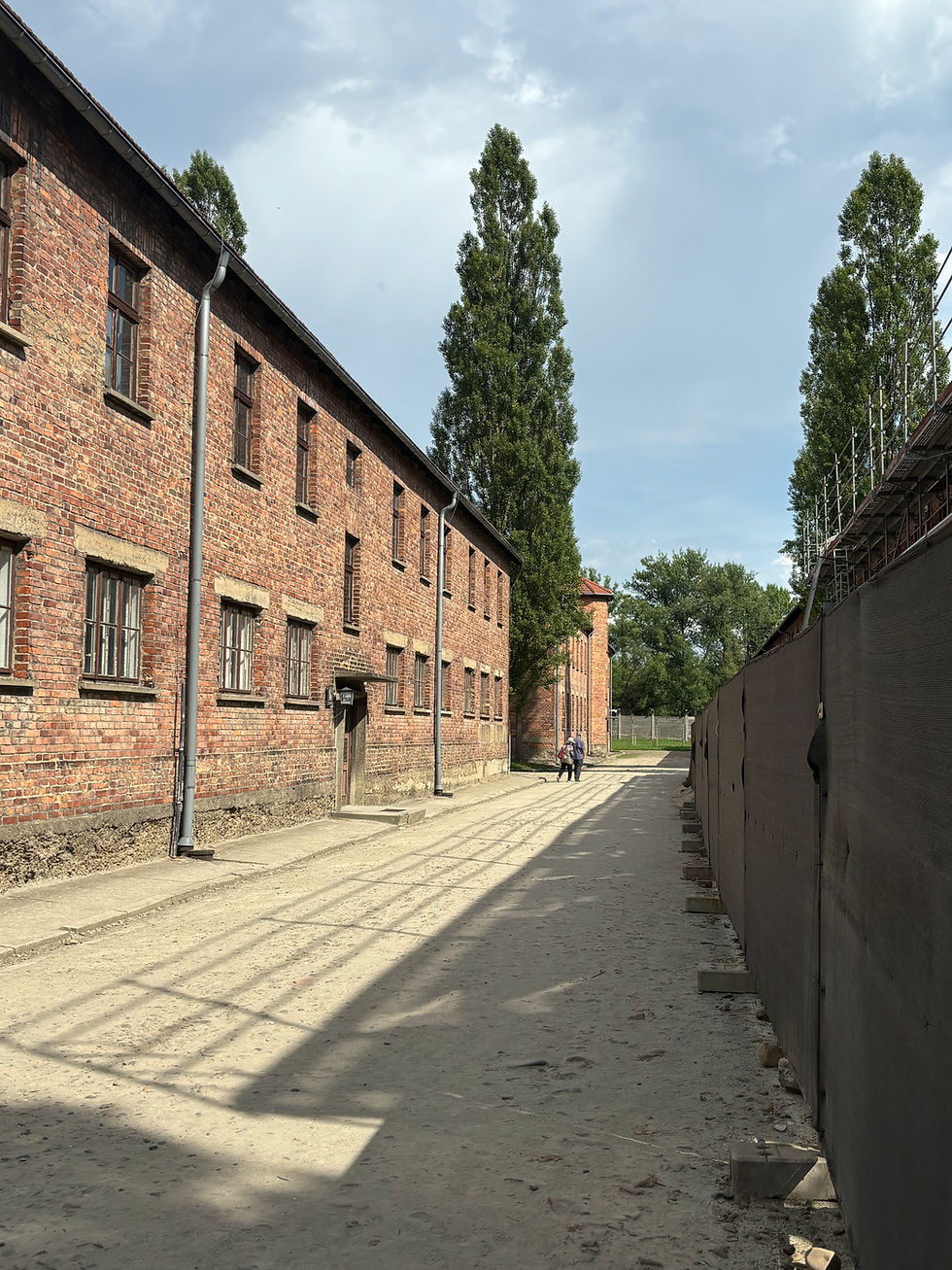


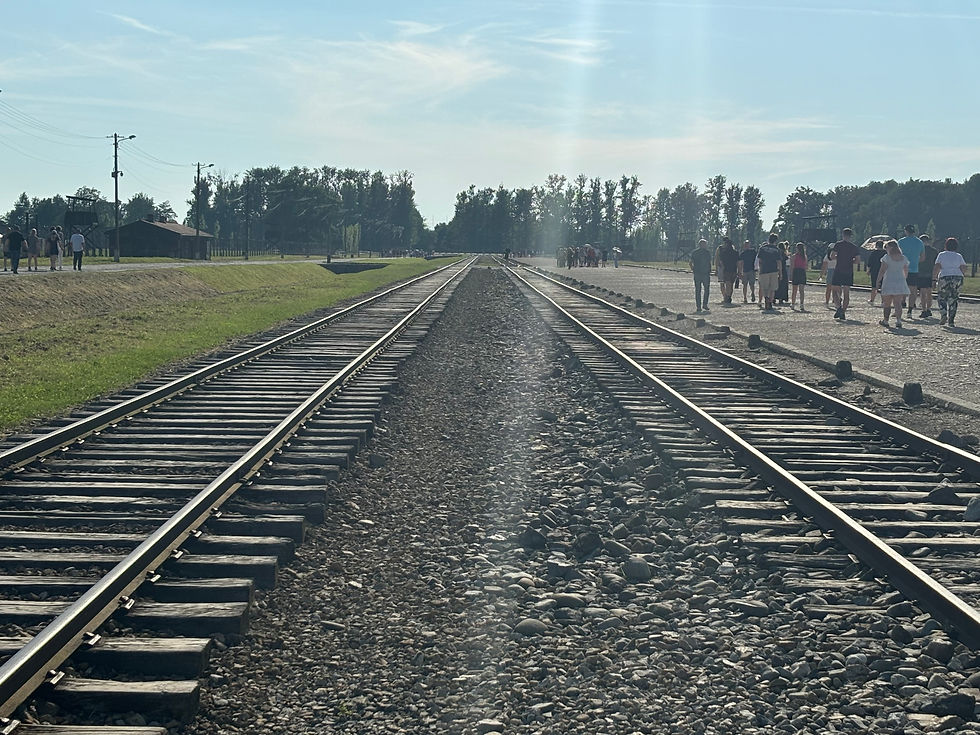


Our final night at the campsite offered much-needed rest, as visiting both the salt mines and Auschwitz in one day was likely too demanding both physically and mentally.
Day 10 Slovakia (19-20)
Today, our journey led us into Slovakia and the High Tatra Mountains, which are part of the Carpathian Mountain Range situated between Poland and Slovakia. As we drove into Slovakia the views were stunning and the skies blue. It was a great start to a new country. We travelled to Tatranska Lomnica to take the cable car to Mount Lomnicky Peak, the second highest peak in the High Tatras. At the summit, there are panoramic views and a café.


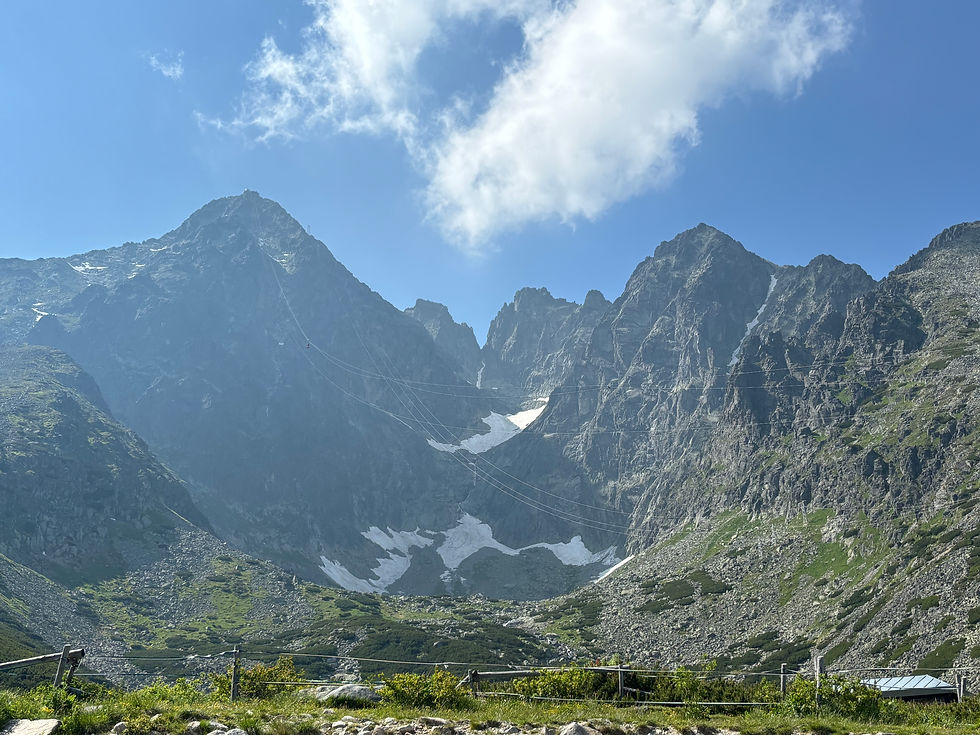


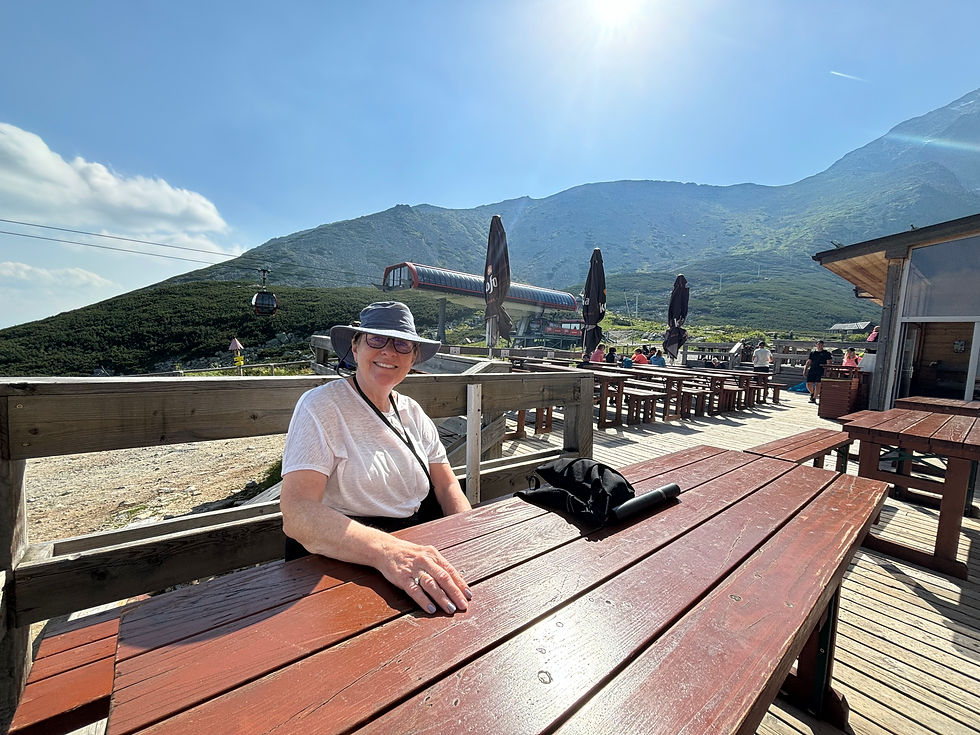


We stayed at a Dutch campsite in Brezno, which was a working farm popular with campers and had a truly social atmosphere. You could enjoy your own space and the open countryside, or you could join fellow travellers in the communal buildings experiencing the charming rustic set up created by the Dutch owners.
Ineos reflections Our view for the night Vegan cheeseburger As the moon shines bright Campsite buildings rustic showers wall art Valley views lots of artefacts A place to cook and socialise A good fire pit
Day 11 Austria (20-21)
A highlight of our tour was visiting the Vienna Opera House to watch the performance of Swan Lake. We purchased tickets in advance since they tend to sell out quickly. We stayed in an Airbnb nearby and took the train into the city centre on the night of the show. The Opera House is truly stunning, and admiring its architecture was just as thrilling as the ballet itself.


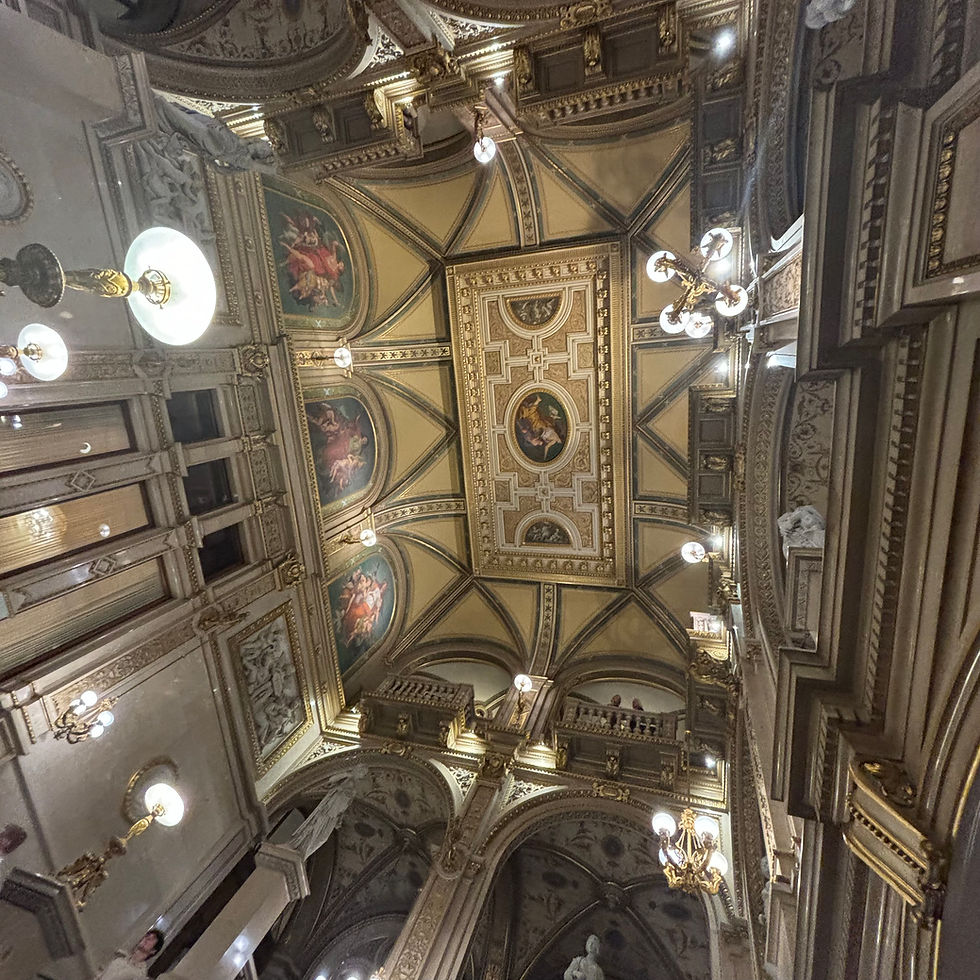

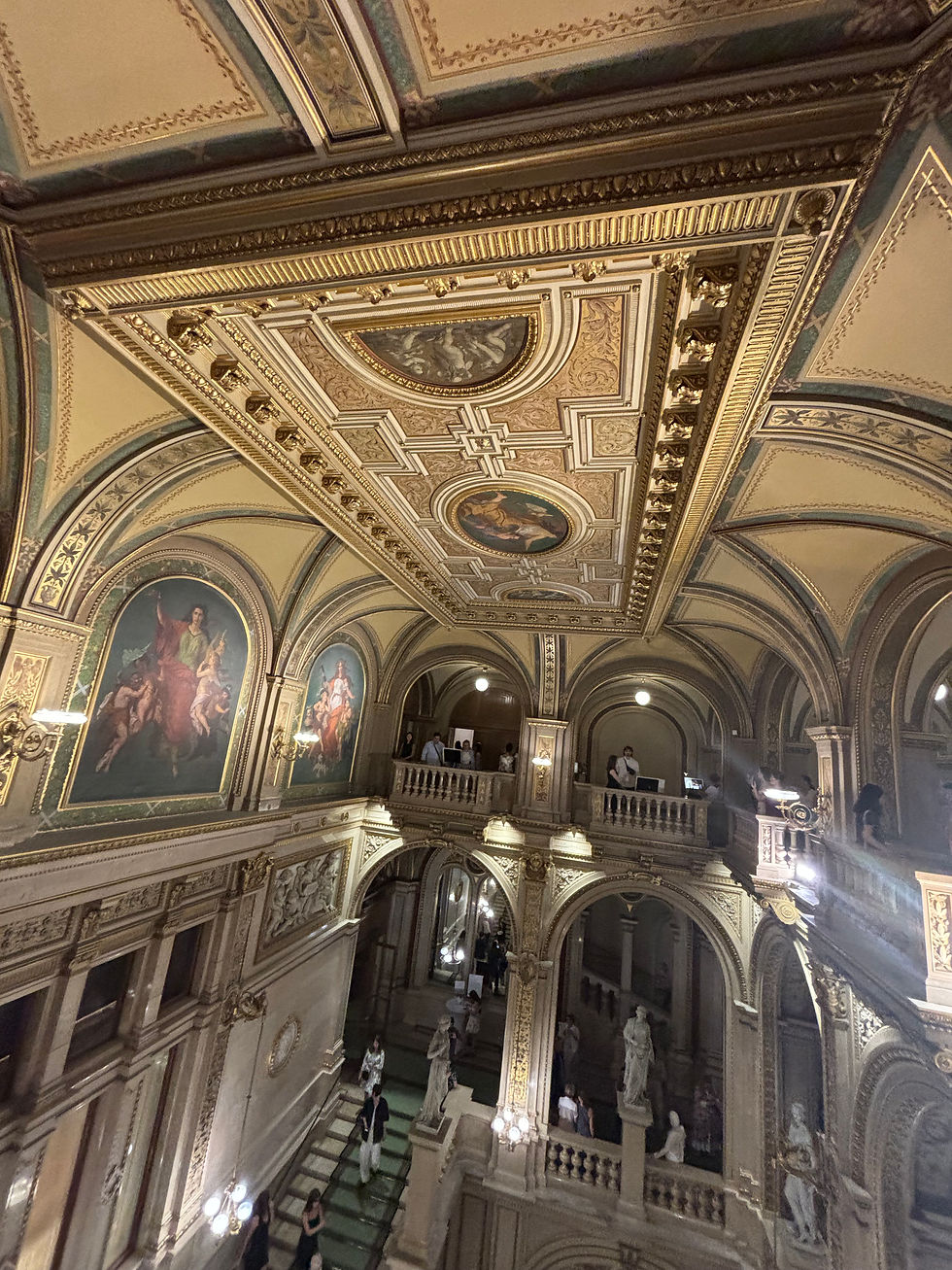
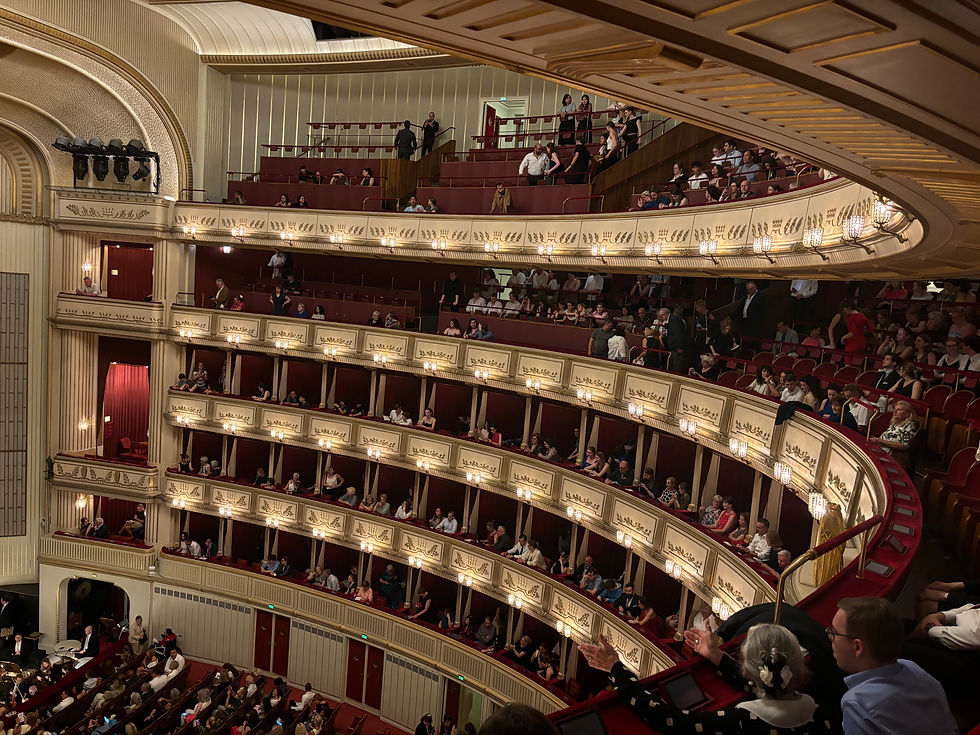


Our stay in Vienna was brief, and there is so much more to explore in this beautiful city that we are certain we will return on our next trip to Austria.
Day 12-13 Slovenia (21-23)
After leaving Austria, we travelled through northern Slovenia to the Kranjska Gora region. This was our first time visiting this beautiful country, and having seen numerous bloggers and YouTubers praise this area, it was on our list of must-visit places.
Decorating your house with bikes Driving through the valley to the Spik Campsite Stunning views of the mountains
We stayed at the Spik Campsite, which was likely one of the pricier campsites we visited since it wasn't covered by the ACSI card, as we were a few days beyond the low season. We could choose our own spot to pitch our tent, and although the site was busy, it had a genuine community atmosphere with ample space to spread out. There was also a shop, cafe and bar on site (though the vegan options were limited to pizza) where you could relax in the afternoon/evening sun after exploring the surrounding area.

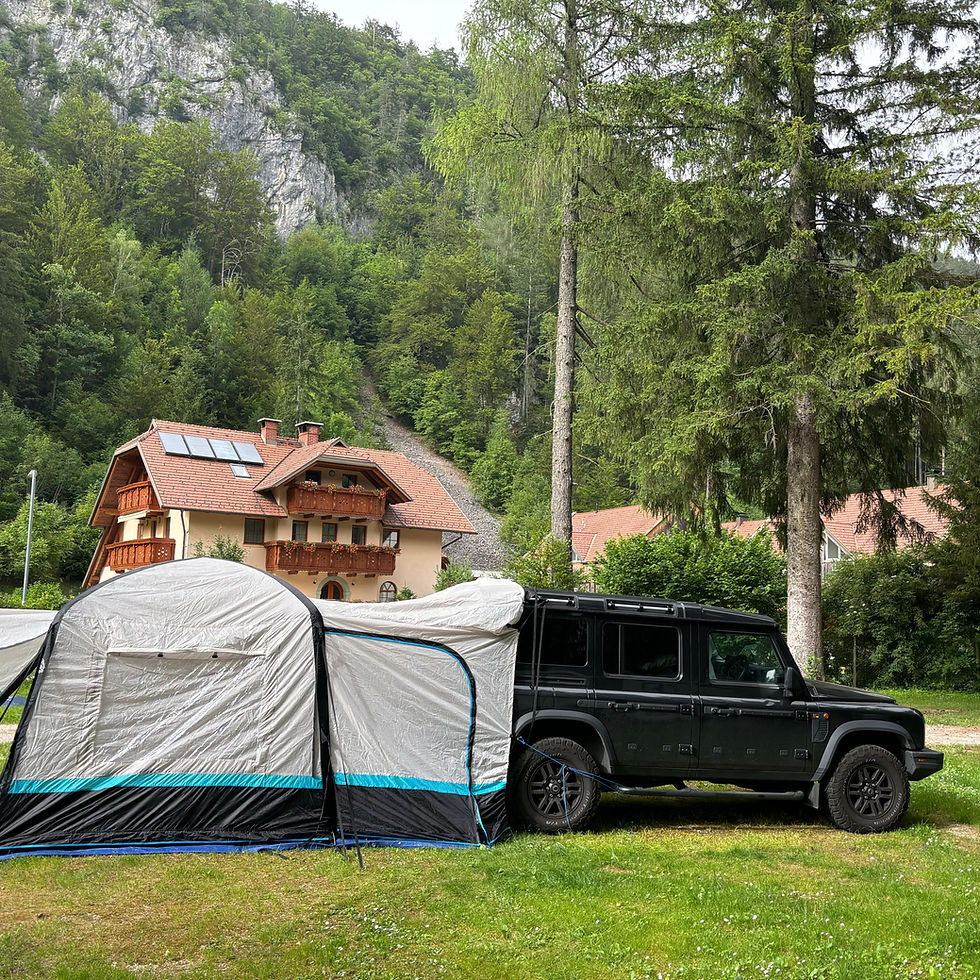
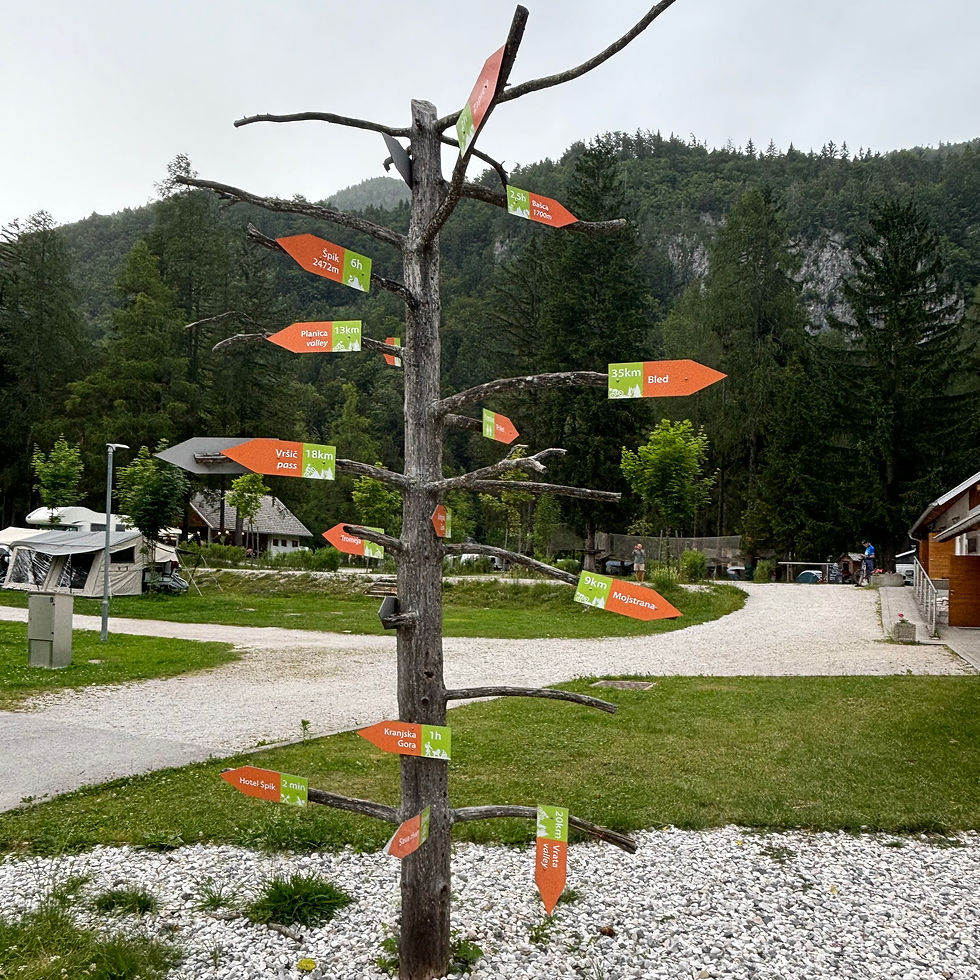

We drove the Vrsic Pass, which at 1,611 meters is the highest mountain pass in Slovenia. This pass, with its 50 hairpin bends, connects Kranjska Gora to the Trenta Valley and is located in the Triglav National Park.
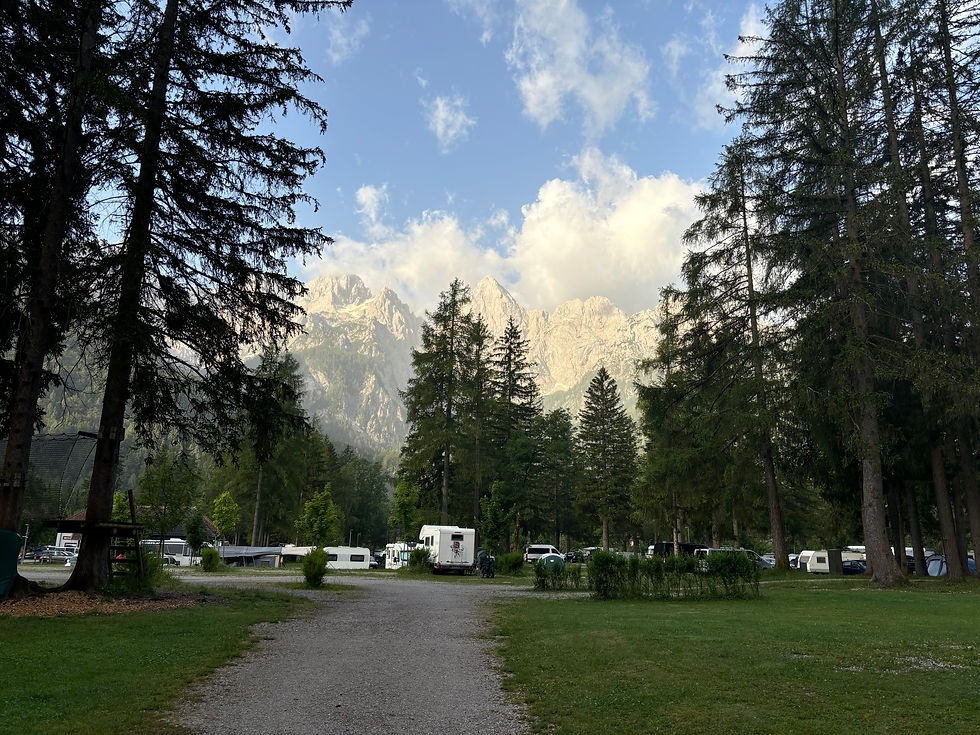
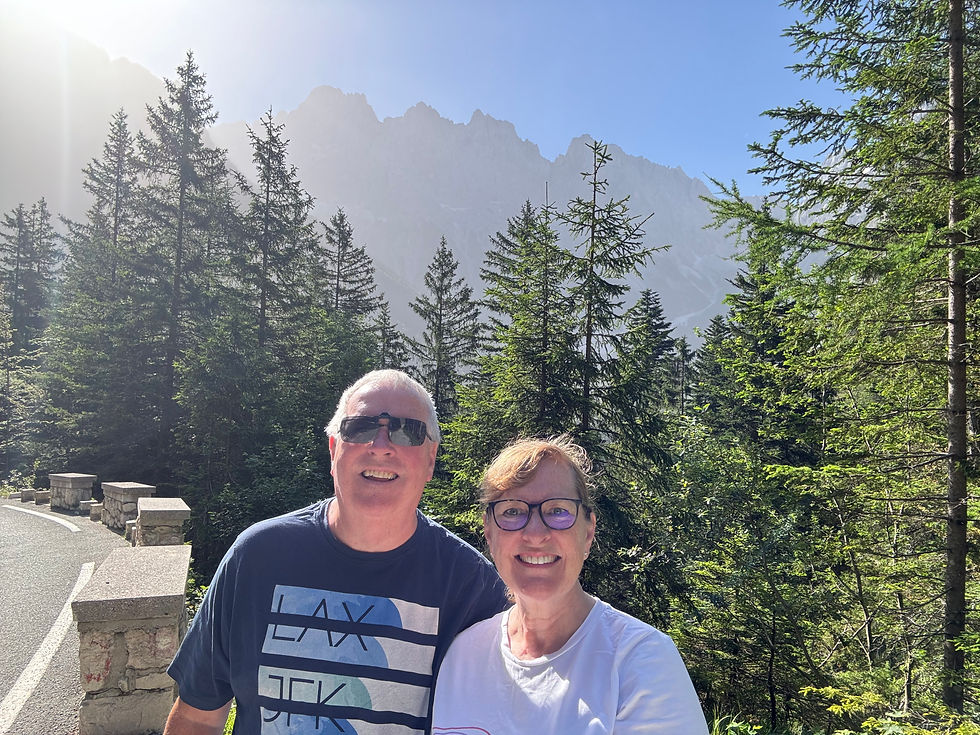

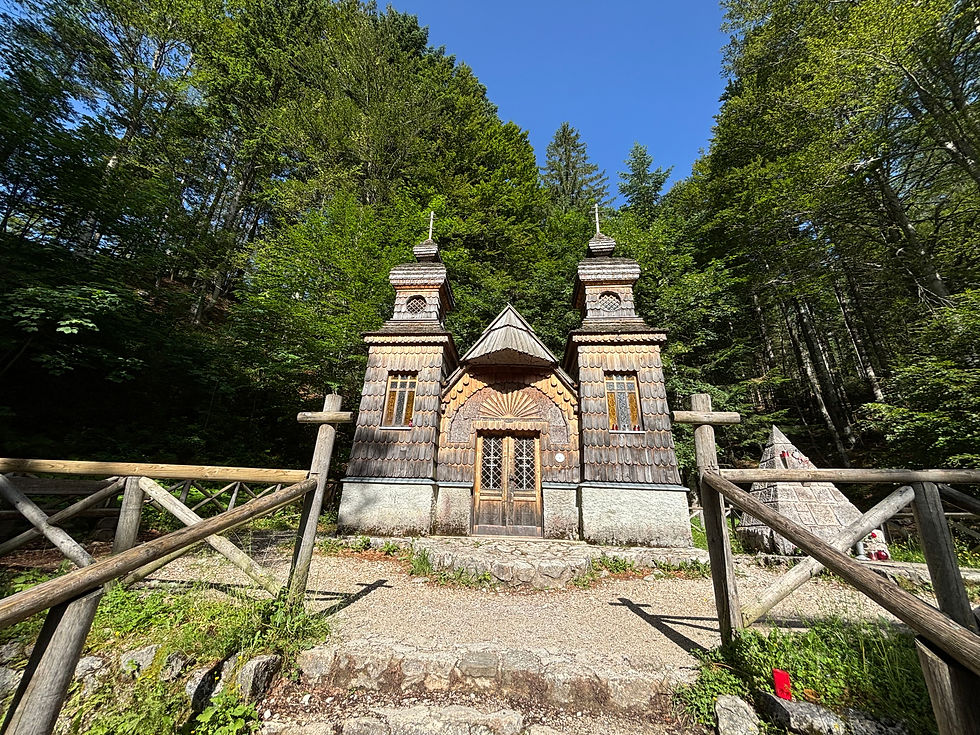
We thoroughly enjoyed driving through this pass and stopping at each historical landmark along the way. The cobbled hairpin bends were laid by 10,000 Russian Prisoners of War during WWI, and there are features like a Russian Orthodox Chapel and tunnels carved within the rock. This pass served as an essential supply route during the war, which led to its improvement by the POWs, but it was not without tragedies. The harsh weather claimed the lives of many soldiers, and in 1916, an avalanche killed 300 POWs. The small wooden chapel was built as a memorial to those who perished.
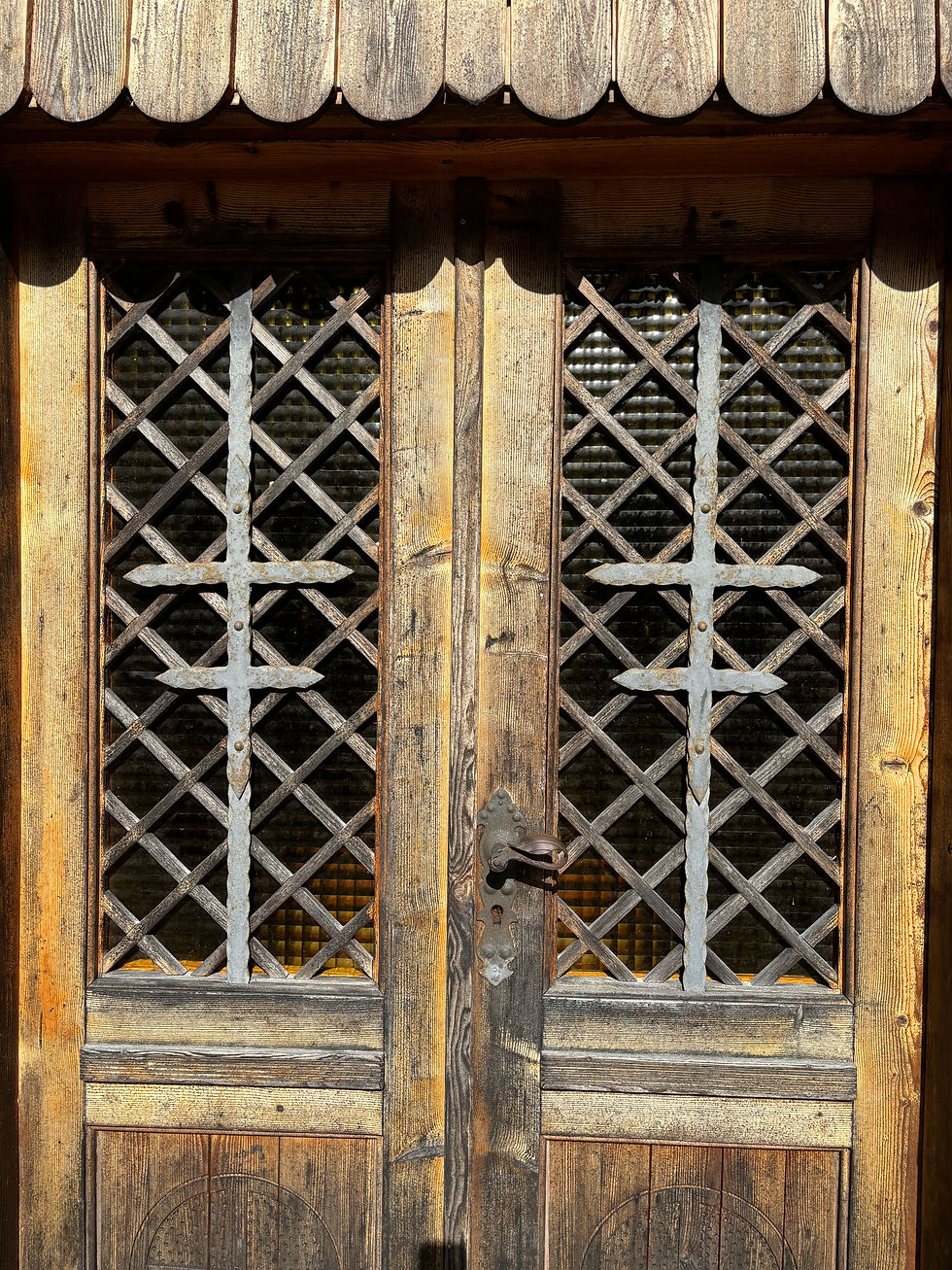

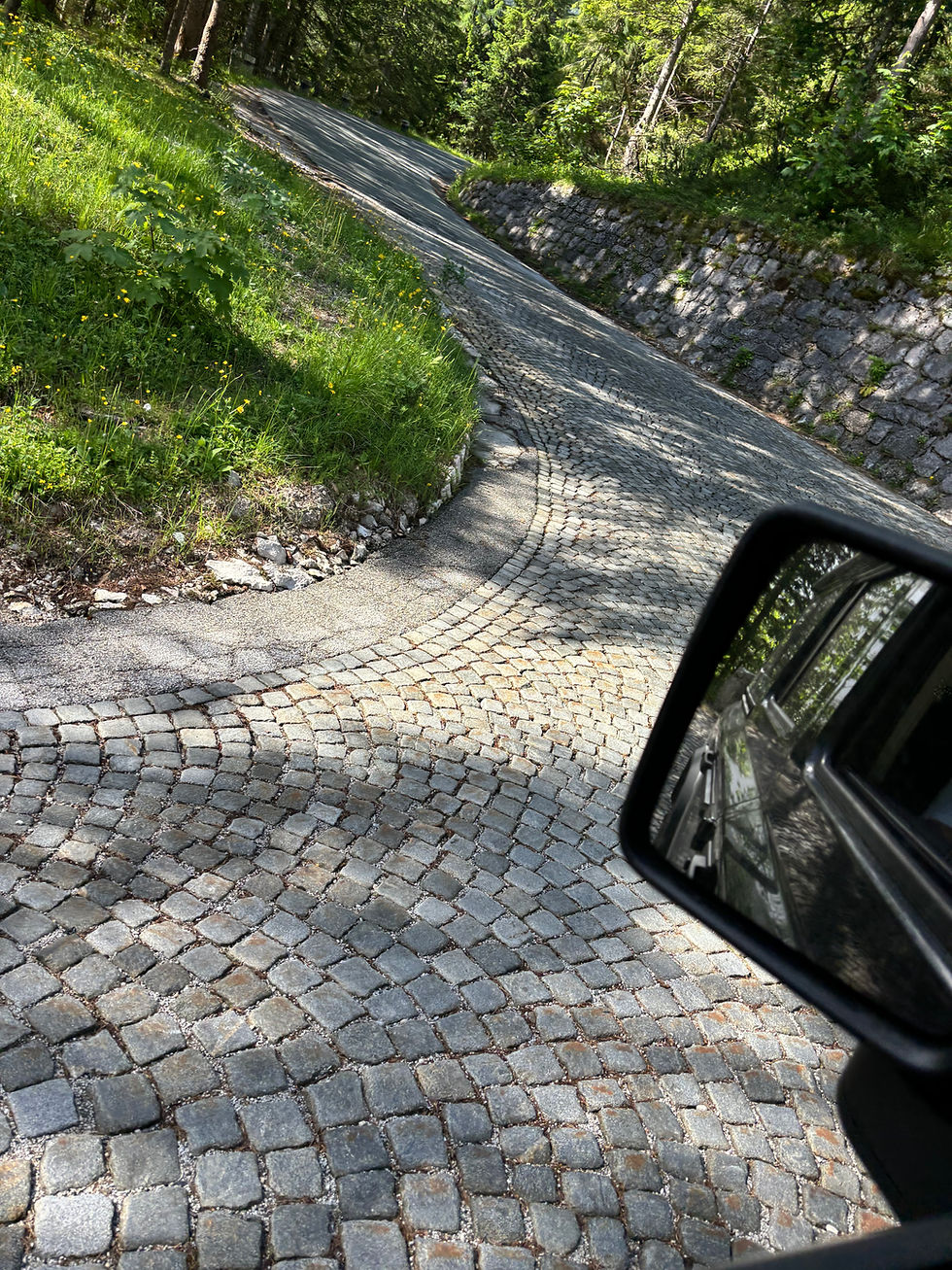
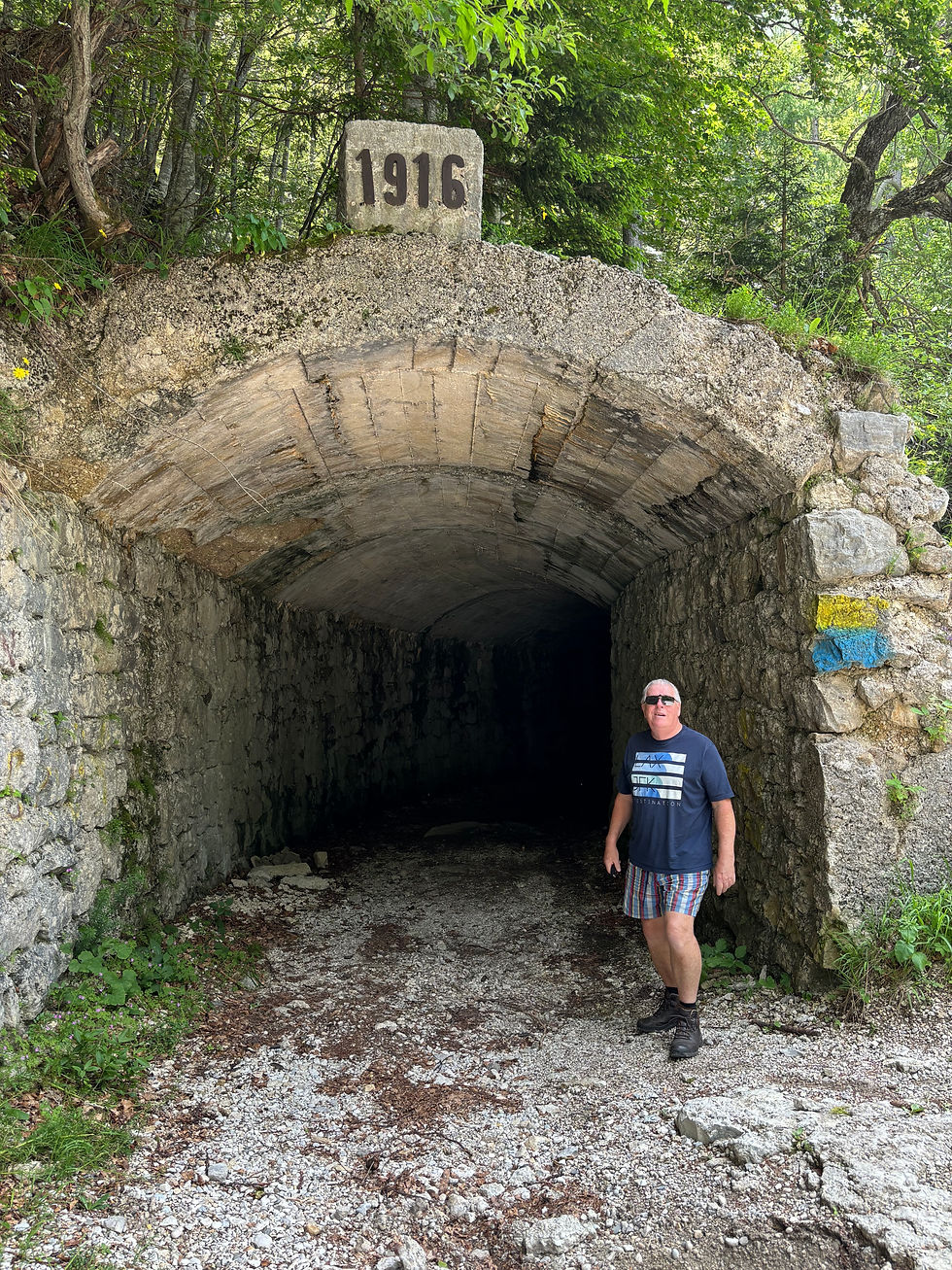

The views are breathtaking, overlooking the Julian Alps, and within the mountains, there are features to discover if you look closely. There's the Heathen Maiden, a female face seemingly carved from the rock, and the Prisank Window, a hole in the rock measuring 40x80 meters.


The top of the pass at 1,611 meters offers stunning views and places to rest, but it's very popular, so it can get crowded with the parking lots filling up early as hikers prepare to explore on foot. We travelled in June and so the number of visitors were already increasing with many looking to get their perfect instagram shot.


We took a break at the top, enjoying lunch and a beer before descending the other side of the mountain to the Soca Valley. The road's twists and turns were equally challenging, but on this side, you drive along the Soca Gorge, observing the brilliant turquoise waters of the Soca River.


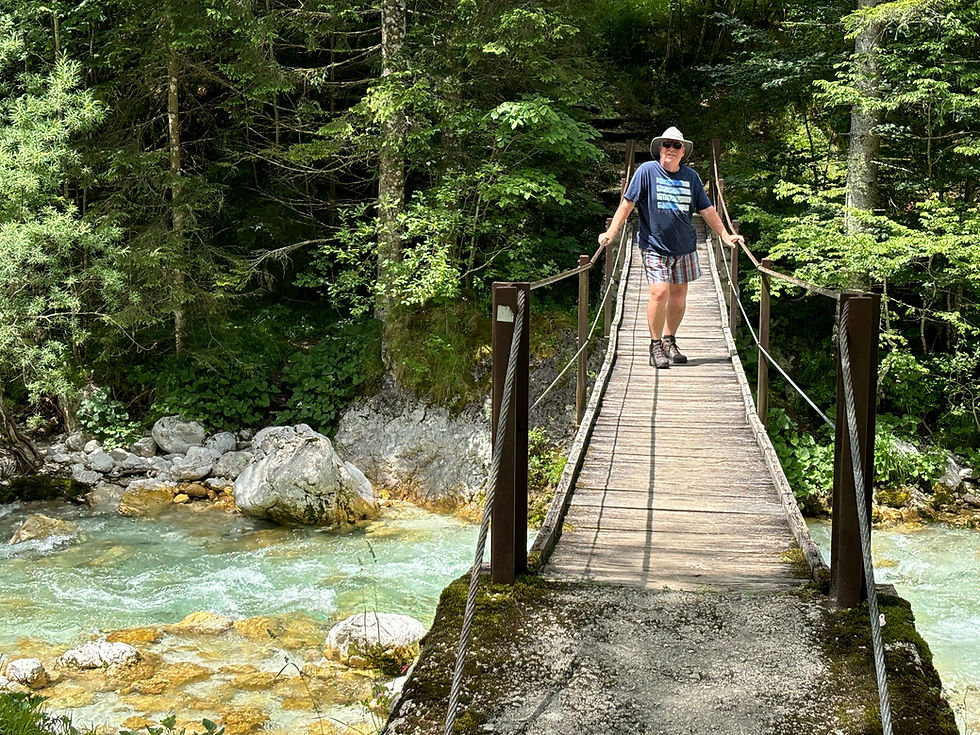
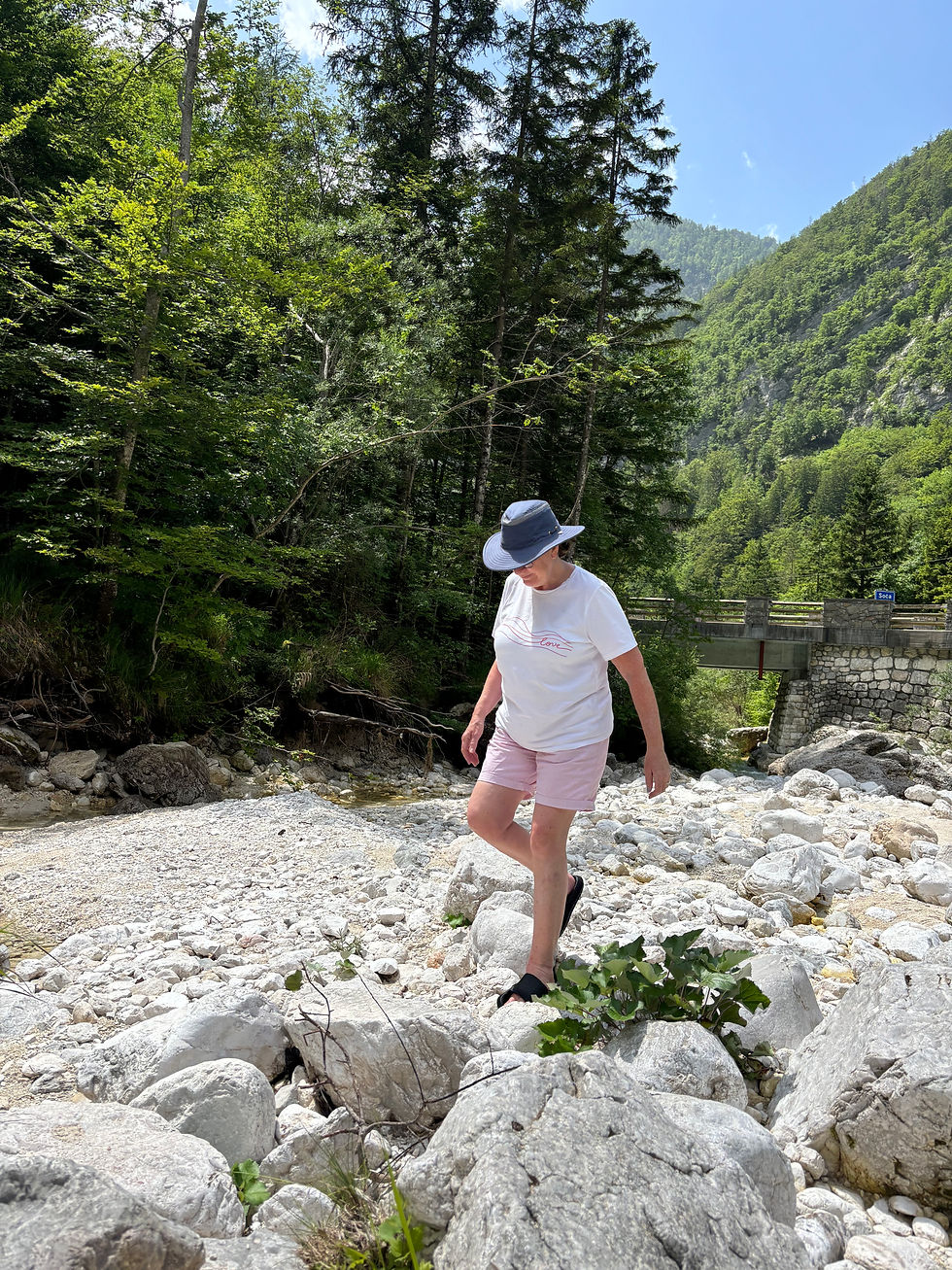
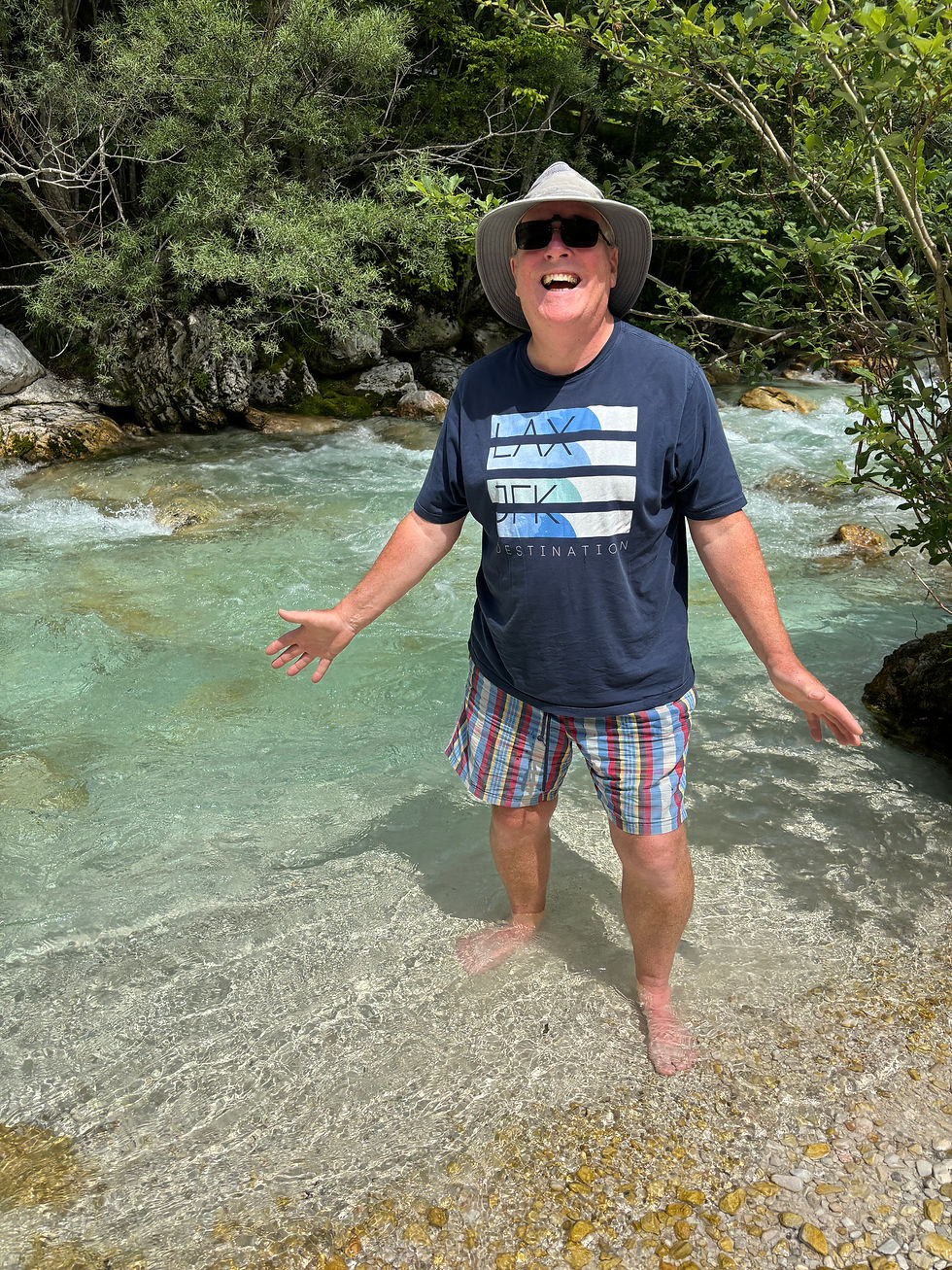

The Vrsic Pass is manageable if you take your time and don't rush. There are spots to pull over if you need to let others pass, and be cautious of cyclists and motorcyclists, as they can appear suddenly, especially on the descent.

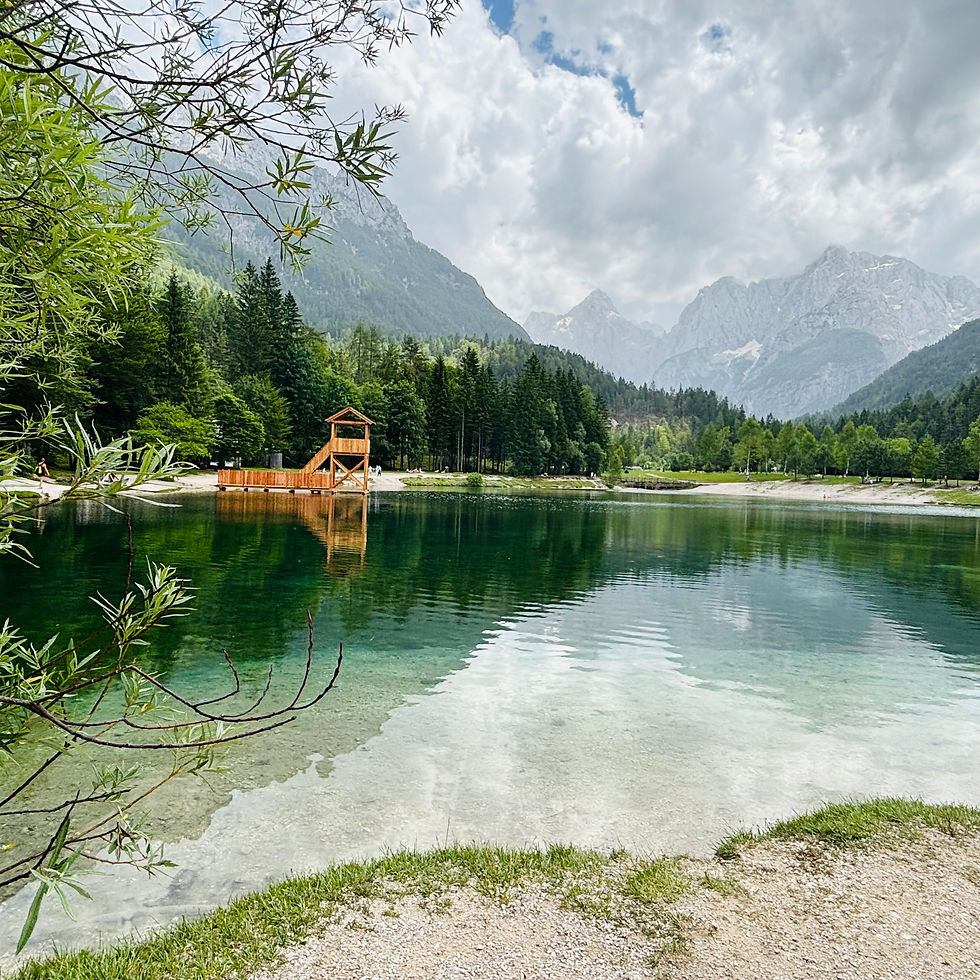
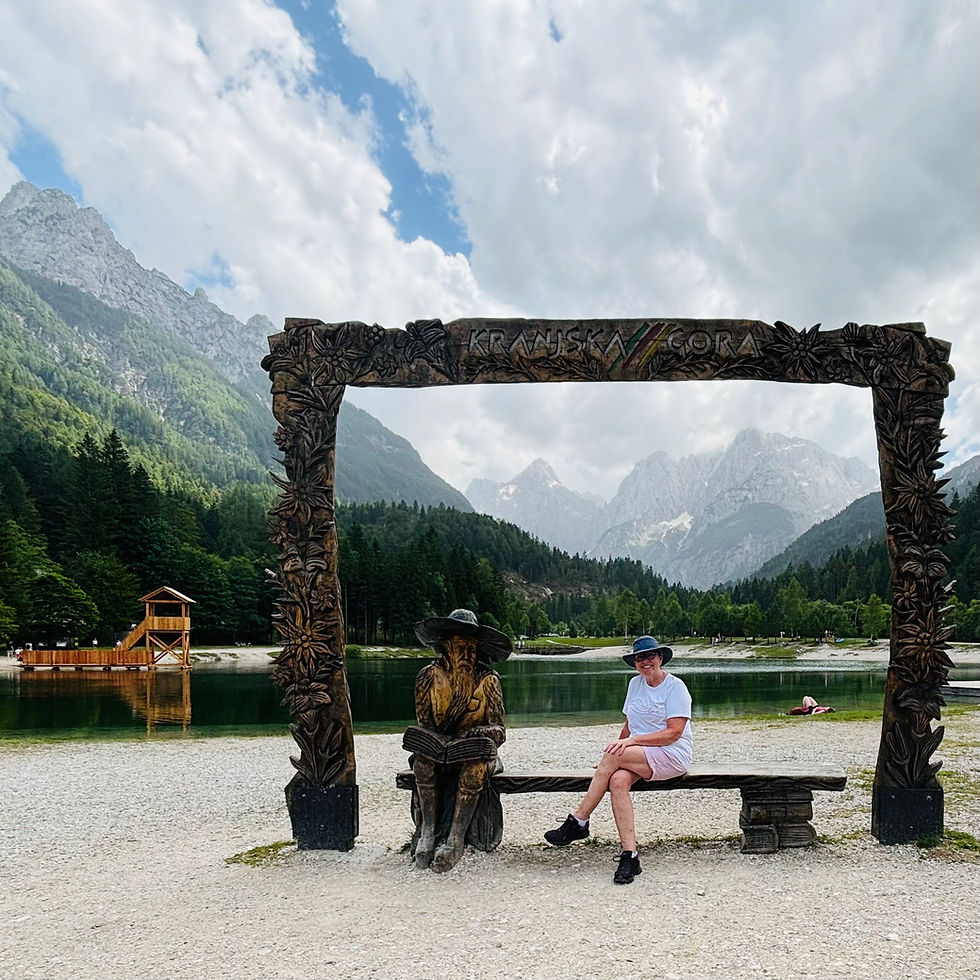
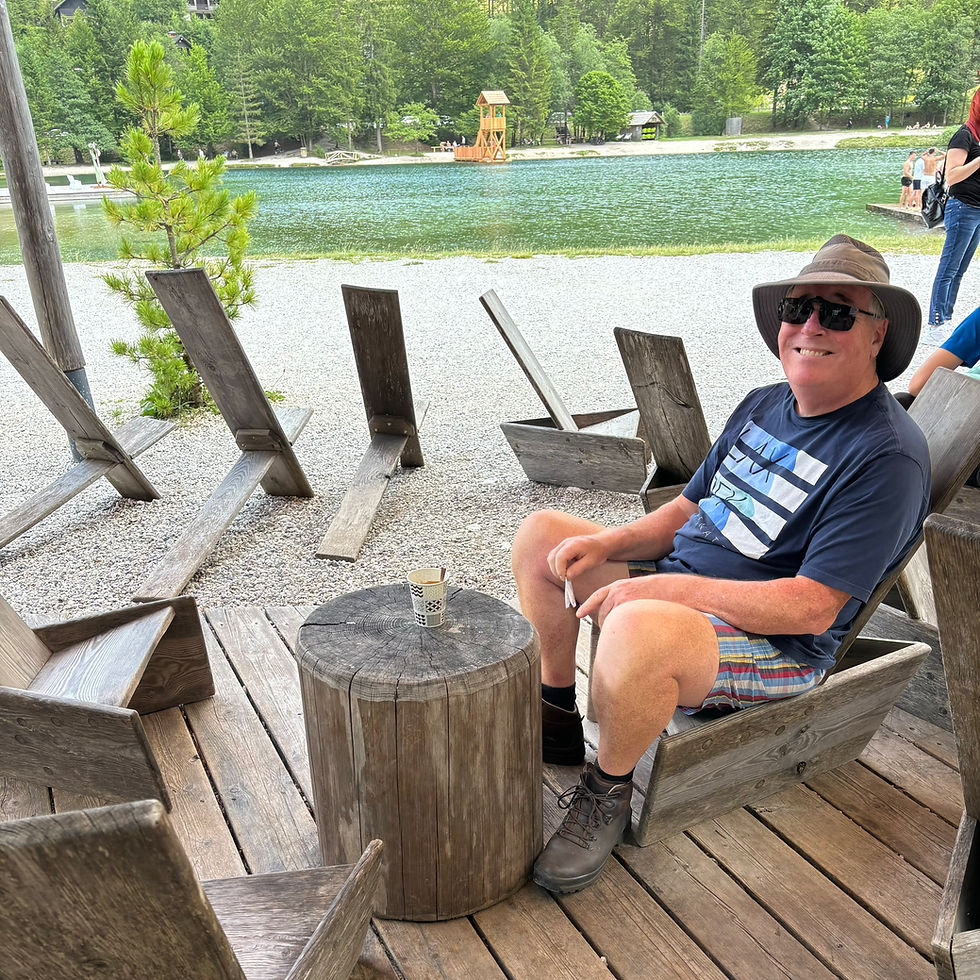
Lake Jasna is located near the Vrsic Pass, where the emerald green waters of two artificial lakes merge. You can stroll along the lake's shore and unwind at one of the bars or cafes, taking in the breathtaking views and reflections. There is plenty of parking available, and you'll find numerous fun and quirky art installations around the lake.



Day 14-15 Italy (23-25)
We travelled from Slovenia across the border into Italy, heading towards Cortina D'Ampezzo, a historic town located in the Dolomite region of Northern Italy. This town gained fame for hosting the Winter Olympics in 1956, and during our visit, we could still see remnants of the ski slopes and jumps. In 2026, it hosted the Winter Olympics once more, and we wish we could have returned to see its current state. Cortina D'Ampezzo is an upscale town, ideally situated for exploring the Dolomite region during both winter and summer.


We stayed at Camping Rochetta and although we were a bit cramped in our space, it was only for one night. We would definitely return to explore this region for a longer period.
Touring the dolomites is awe inspiring and we only touched the surface. We didnt manage to hike anywhere which was a shame so we really do need to return and immerse ourselves in this part of Italy.
Views of the Dolomites Driving through the Three Peaks National Parkaks The Dolomites The dolomites
Continuing in Italy we transferred to Lake Como. As the day progressed we found it difficult to find a place to camp and utlimately found the last room in a hotel at the nothern tip of the lake. This had been a long day and the rest was much needed. We didnt stay around Lake Como any longer but in truth would have enjoyed exploring this area more.
Lake Como An overcast cloudy day Low clouds A glimpse of the hillside town
Setting off the next morning we continued around the lake and travelled towards the St Gotthard Pass in Switzerland, the next country on our tour.
Day 16-19 Switzerland (25-29)
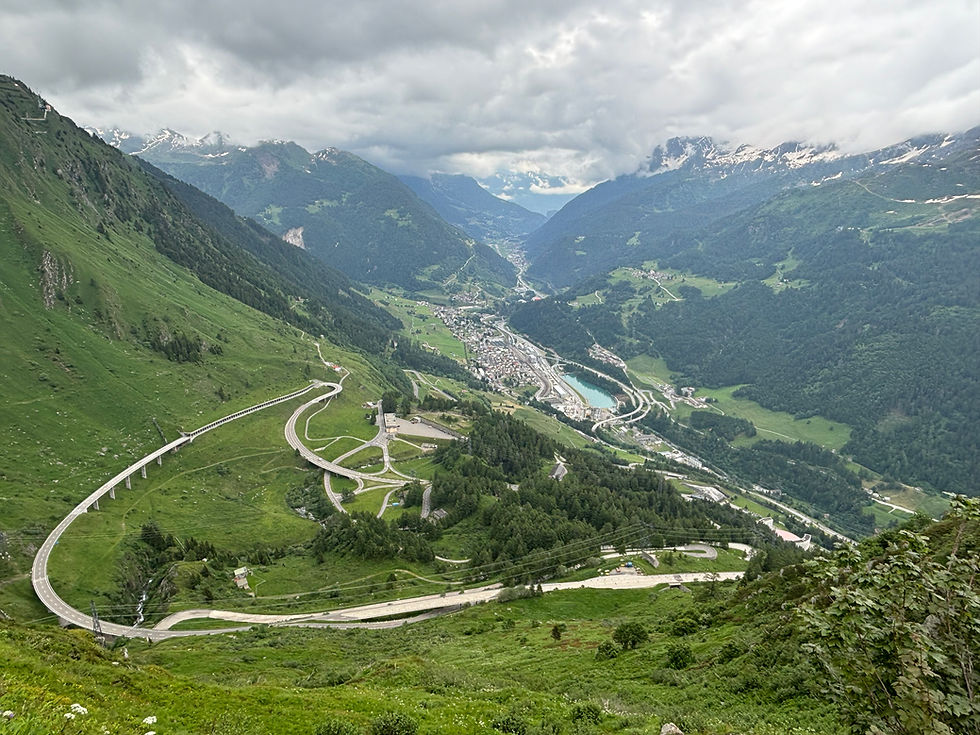
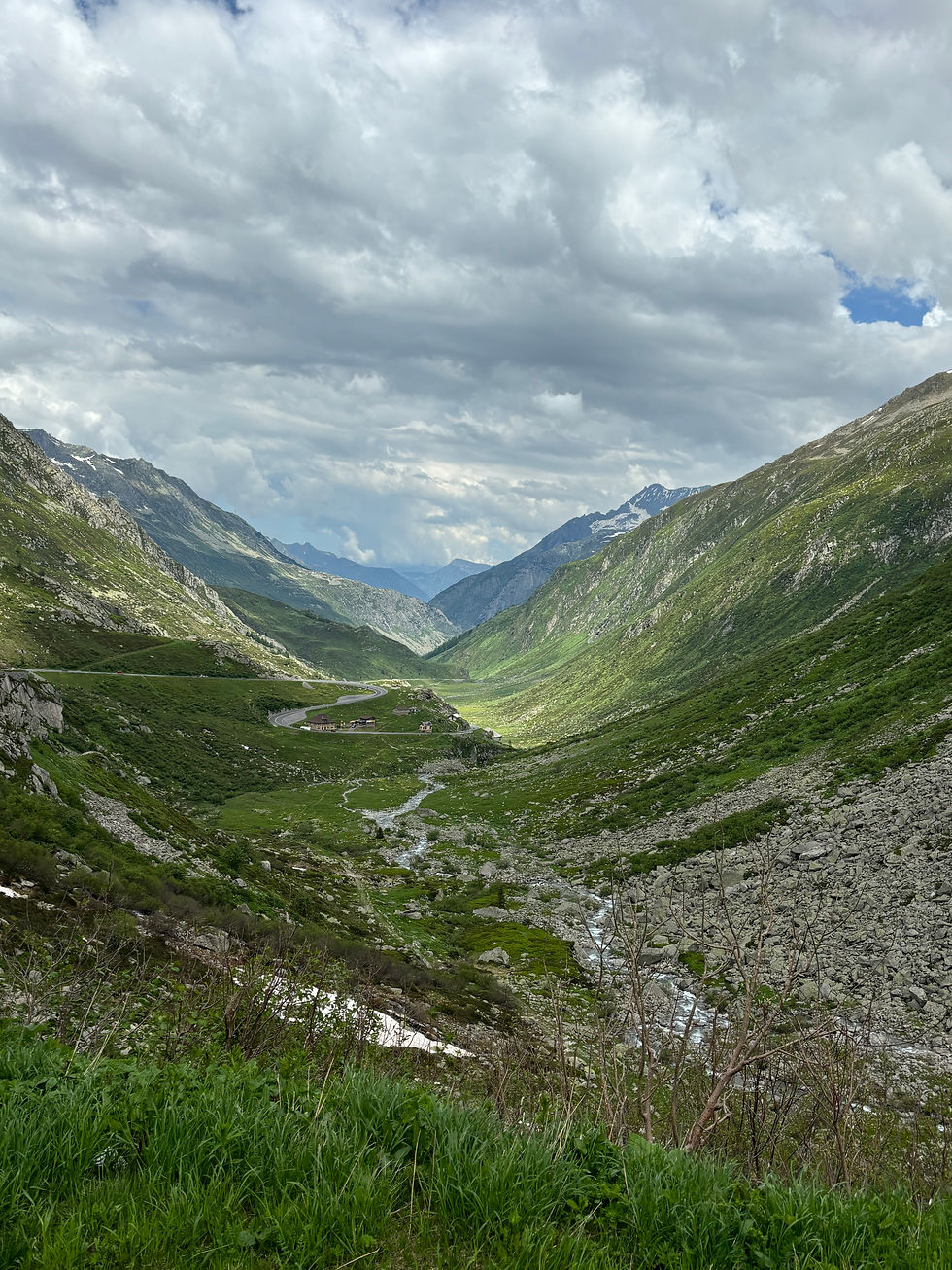
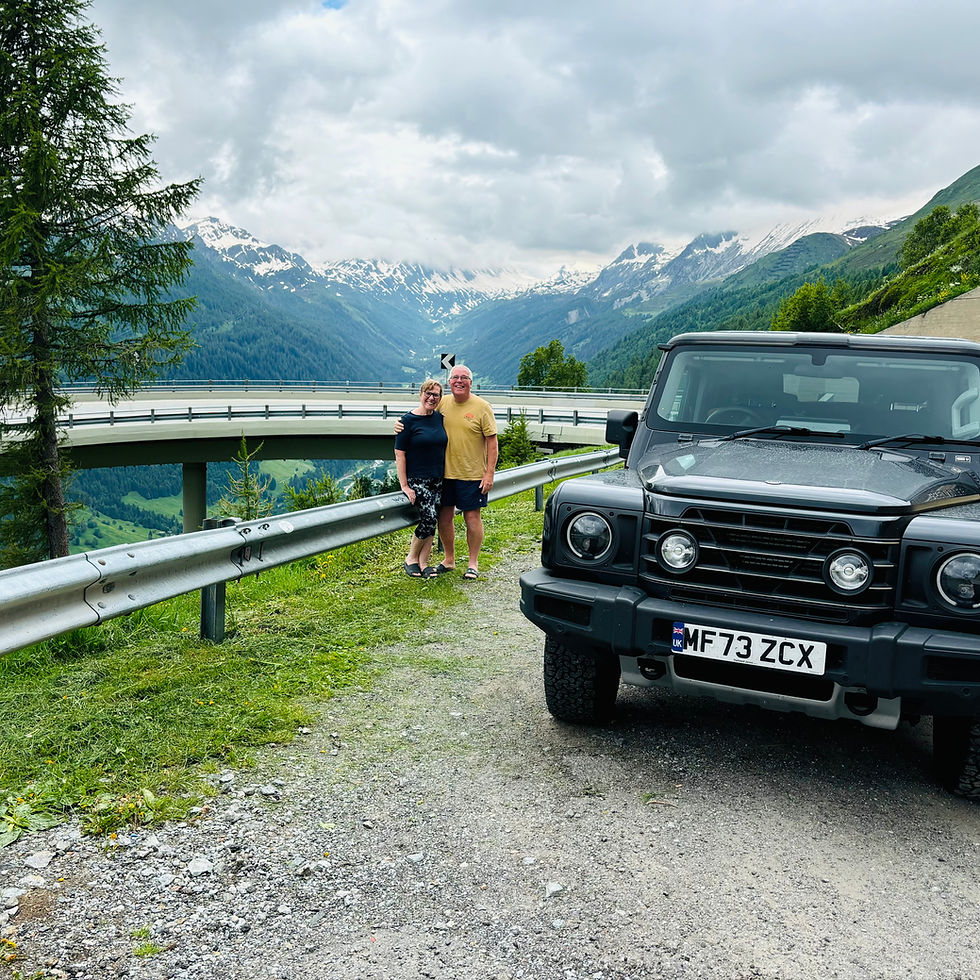
The Gotthard Pass, situated in the Alps at an elevation of 2106 meters, crosses the Saint Gotthard Massif. While it leads to Lake Lucerne, our next stop, the pass itself was a destination worth visiting. This scenic route, with its numerous switchbacks, offers a delightful drive, stunning views, and a rich history dating back to the Middle Ages.



Upon reaching Lake Lucerne, we checked into campsite xxx. We were fortunate to secure one of the last available pitches, learning that campsites fill up quickly, even early in the season.


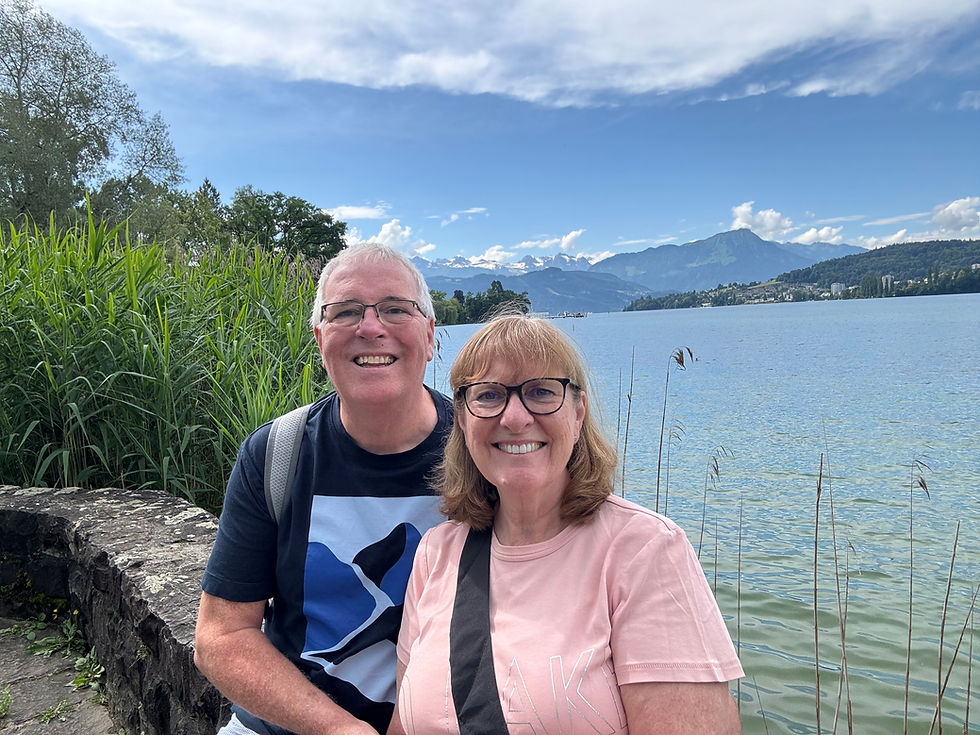
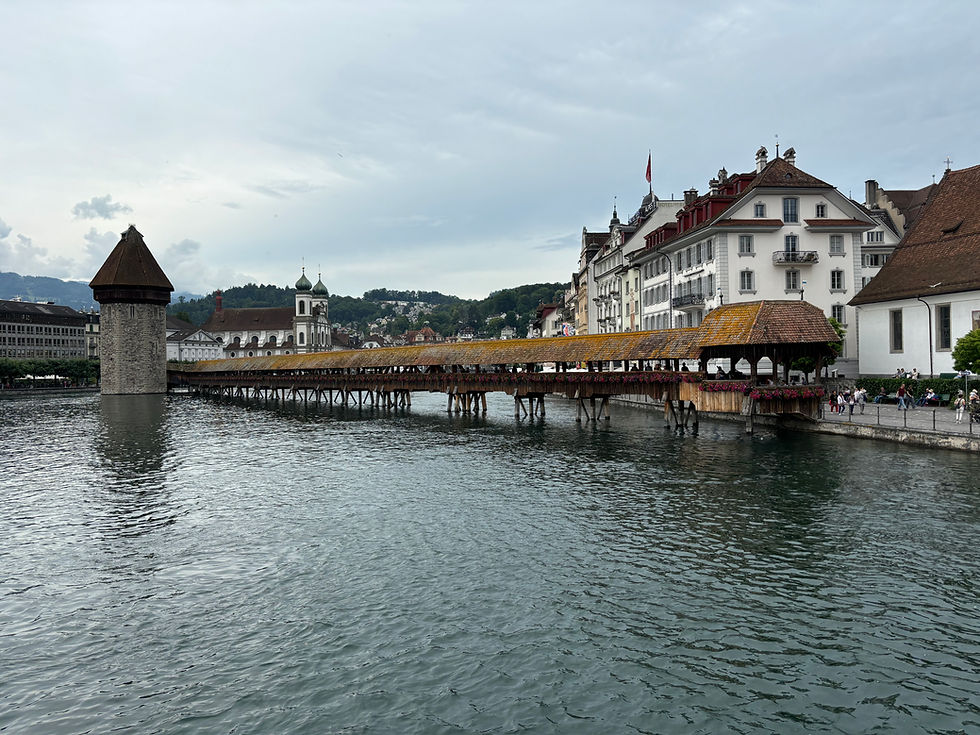
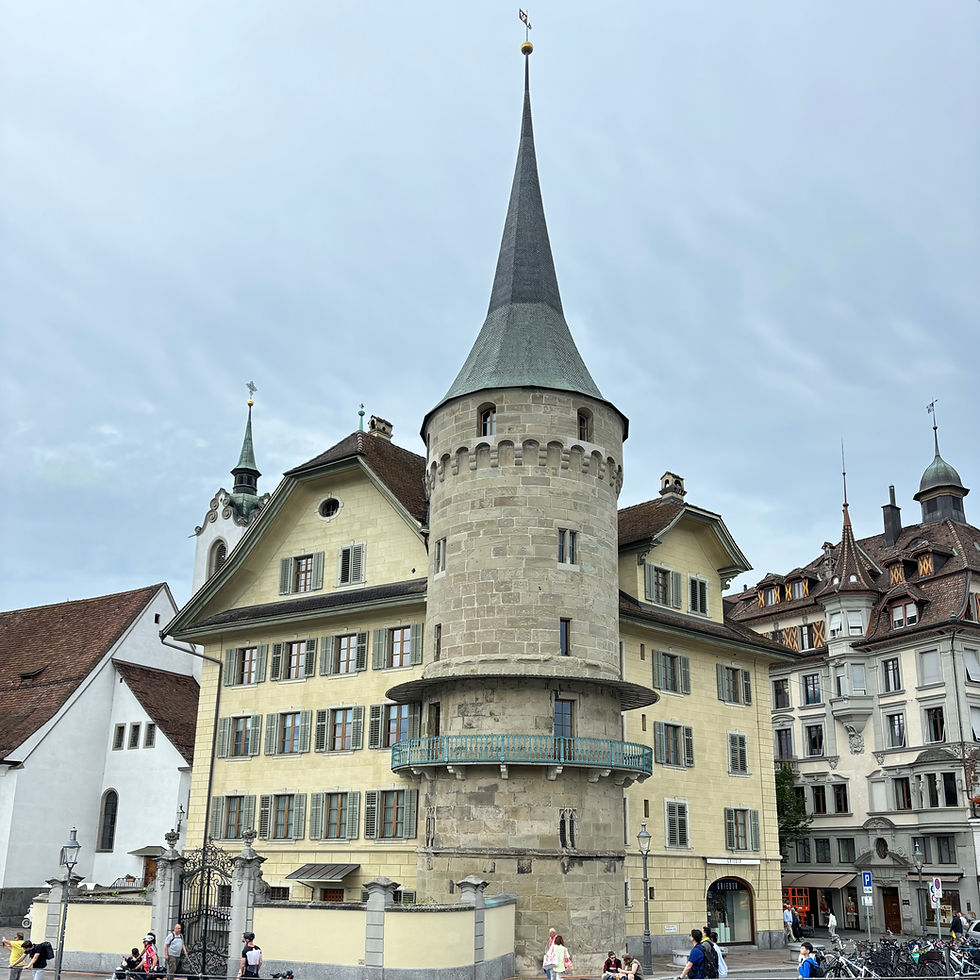
We spent the day exploring Lucerne, strolling along the lake, enjoying the wildlife and park sculptures, and then venturing into the city to appreciate its architecture and vibrant social scene. We stayed at the campsite for two nights before heading back to the place where we spent our honeymoon over 40 years ago!






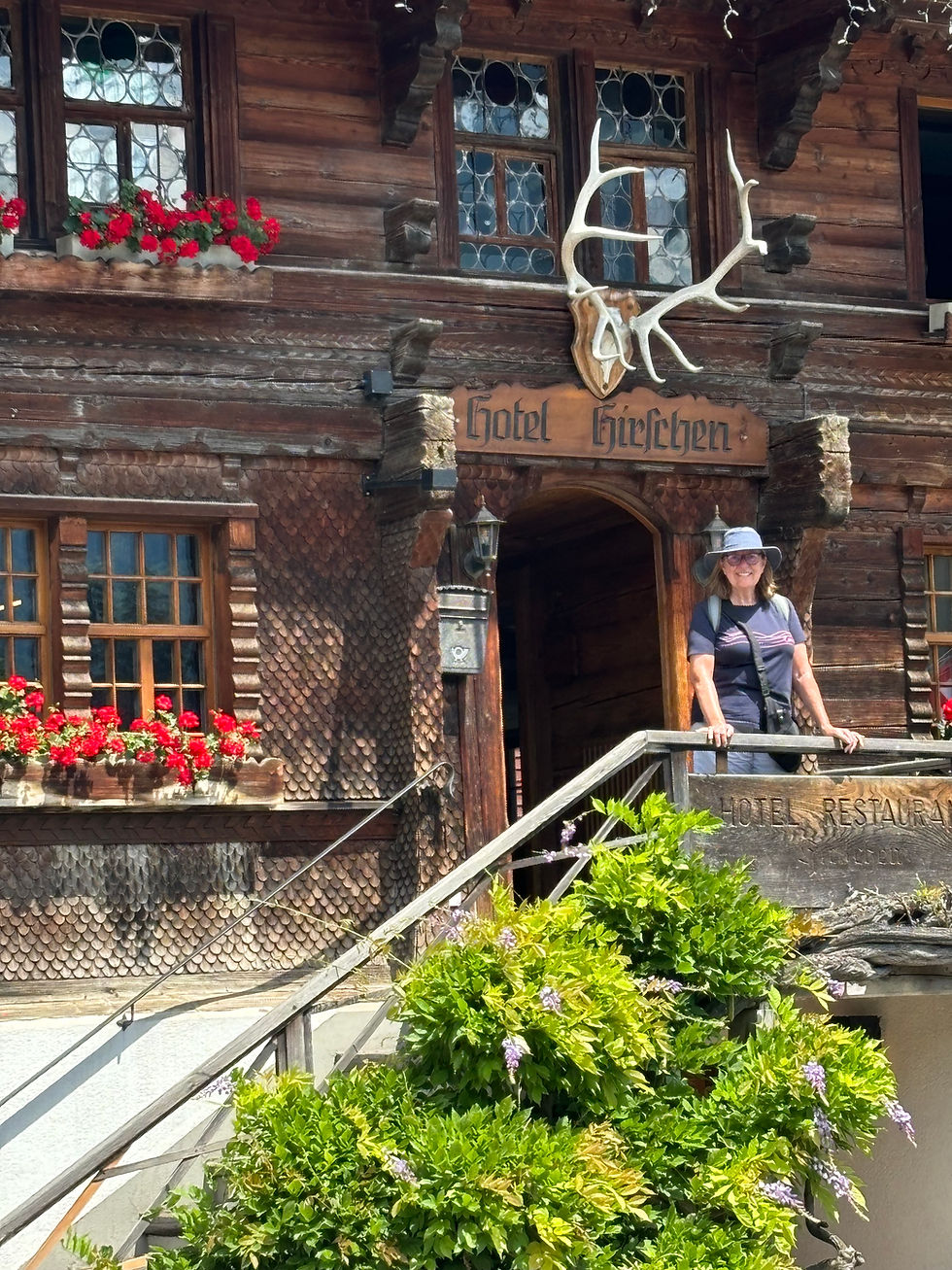
Our honeymoon was in Interlaken at a 17th-century Gasthof, which still operates today as a guesthouse and restaurant. We visited Gasthof Hirschen and found that while the exterior remains unchanged, the interior has been modernized, with ensuite rooms now available. During our honeymoon stay we had to request a bathroom key and extra towels! We enjoyed lunch outdoors, reminiscing while admiring the Jungfrau, the famous mountain that turns pink at dusk just before sunset.


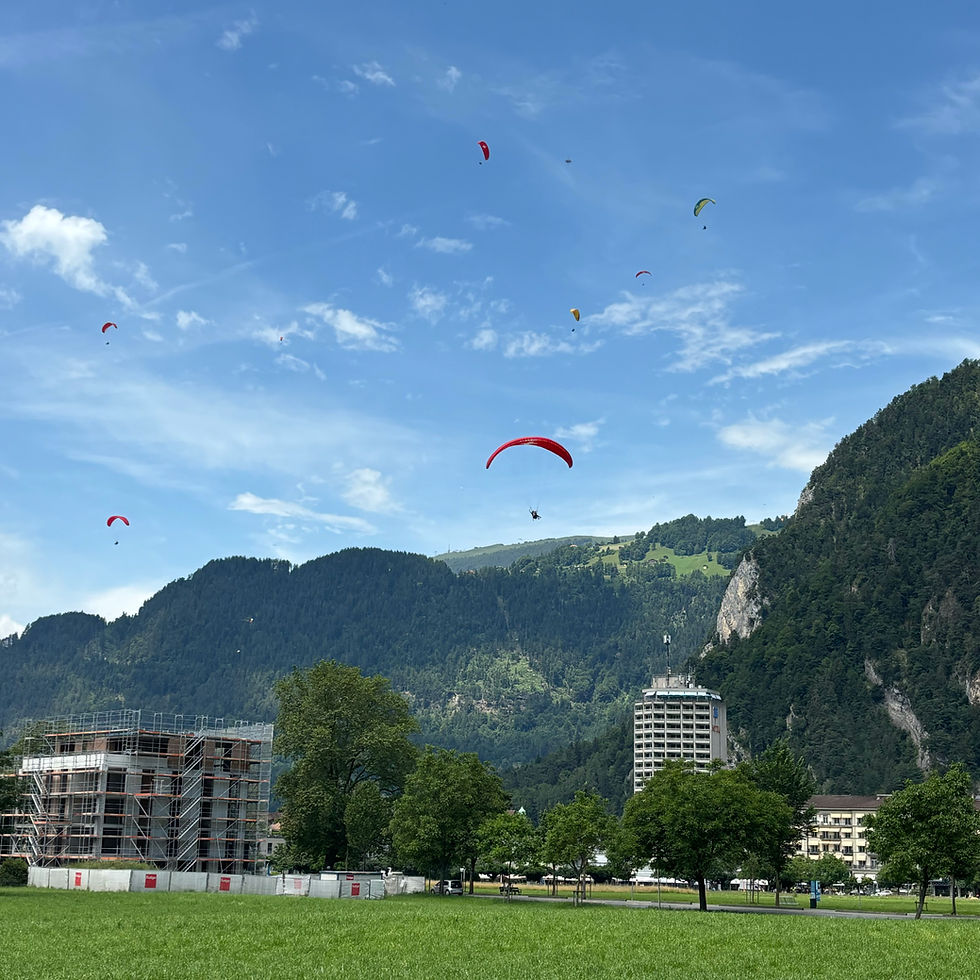
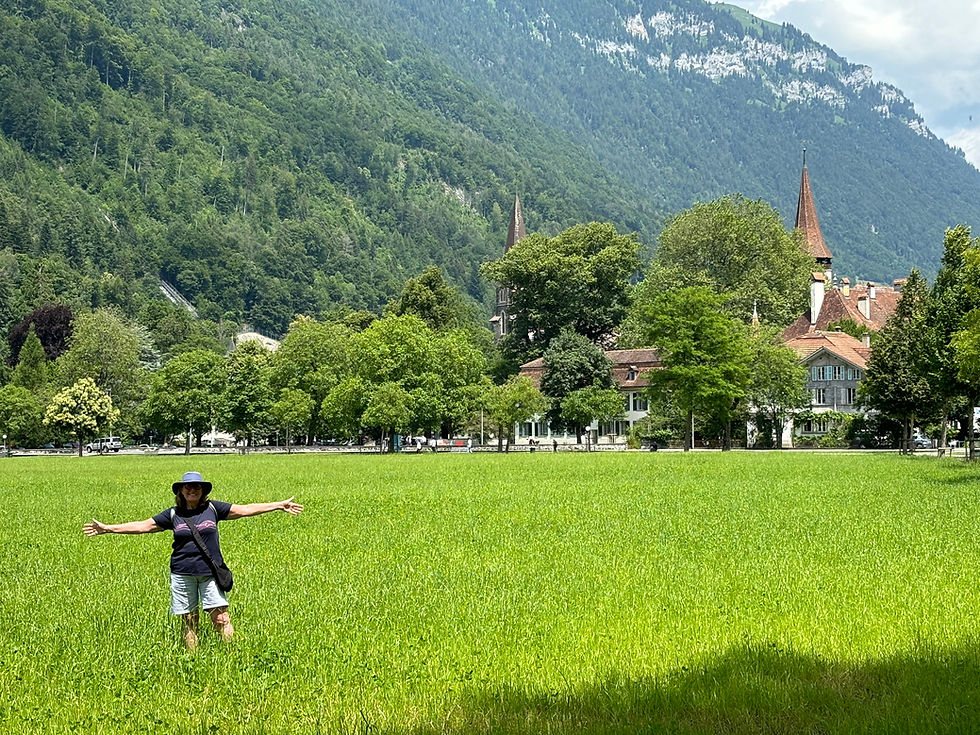
We camped in Lauterbrunnen, at Camping Jungfrau, a picturesque valley with spectacular waterfalls. Our Grenadier got as much attention here as the waterfalls did. We were asked frequently what car was it and all about our camping set up. We even spoke to a friend of Mark Evans (of 'a car is born' fame on the TV) who then put us intouch with Mark to compare notes!


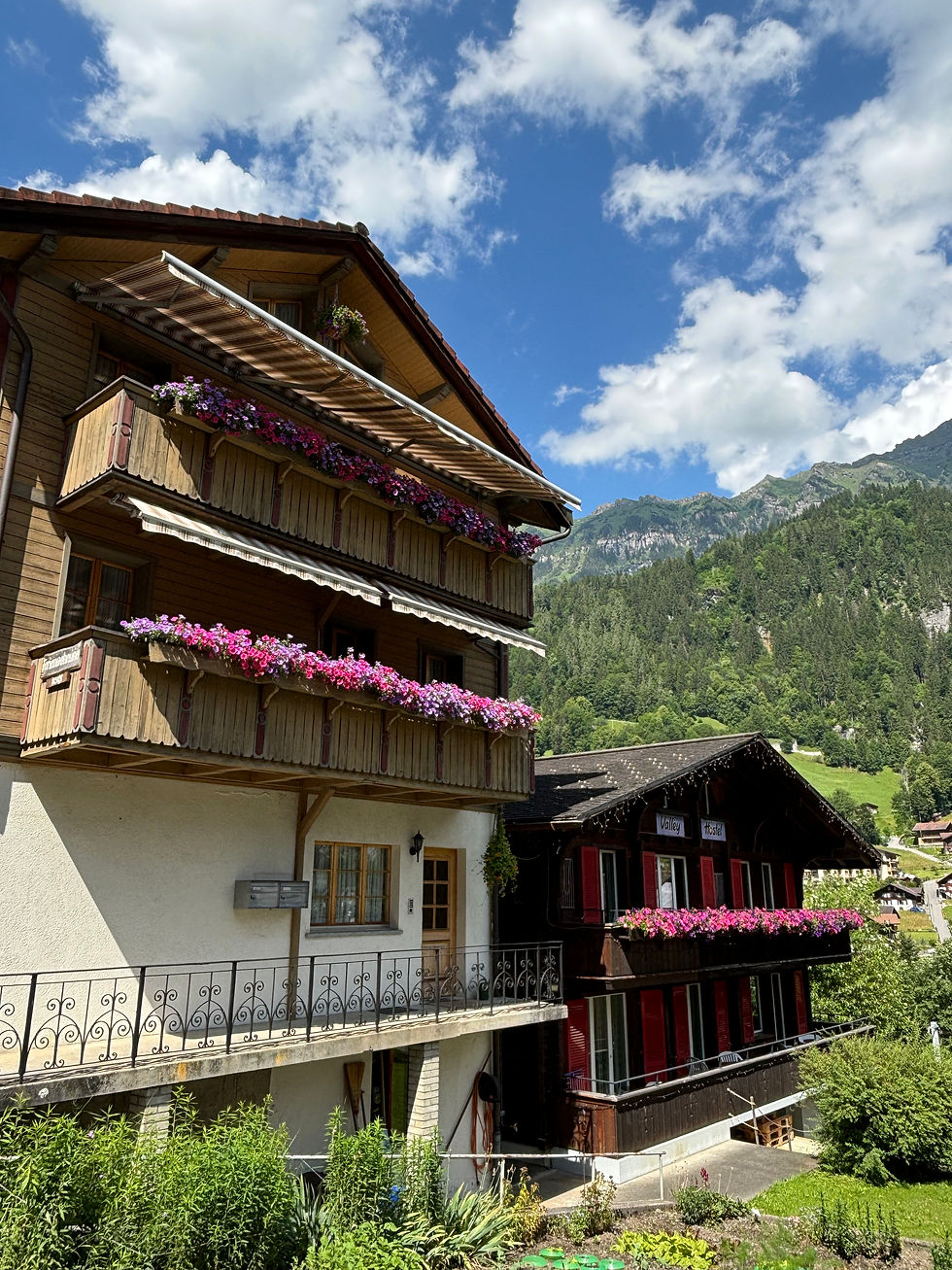

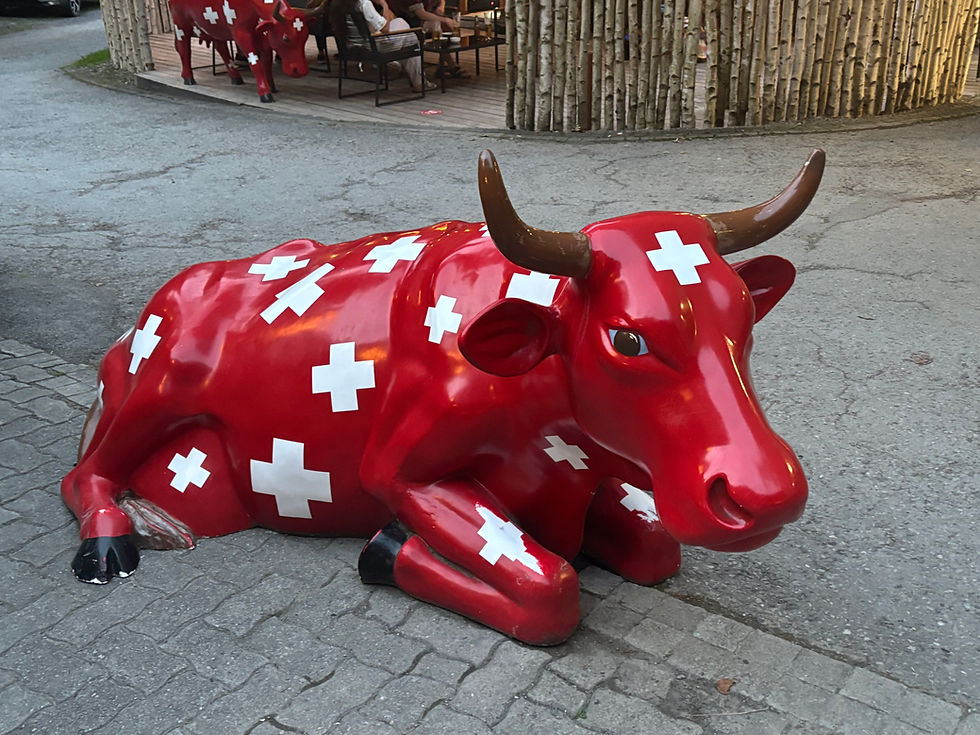


We stayed for two nights to explore the two lakes (Lake Thun and Lake Brienz) flanking Interlaken. We had cycled around both lakes on our honeymoon, a memorable experience with rented bikes lacking gears and quite uncomfortable. This time, we explored in our Grenadier, a much smoother ride 😂.


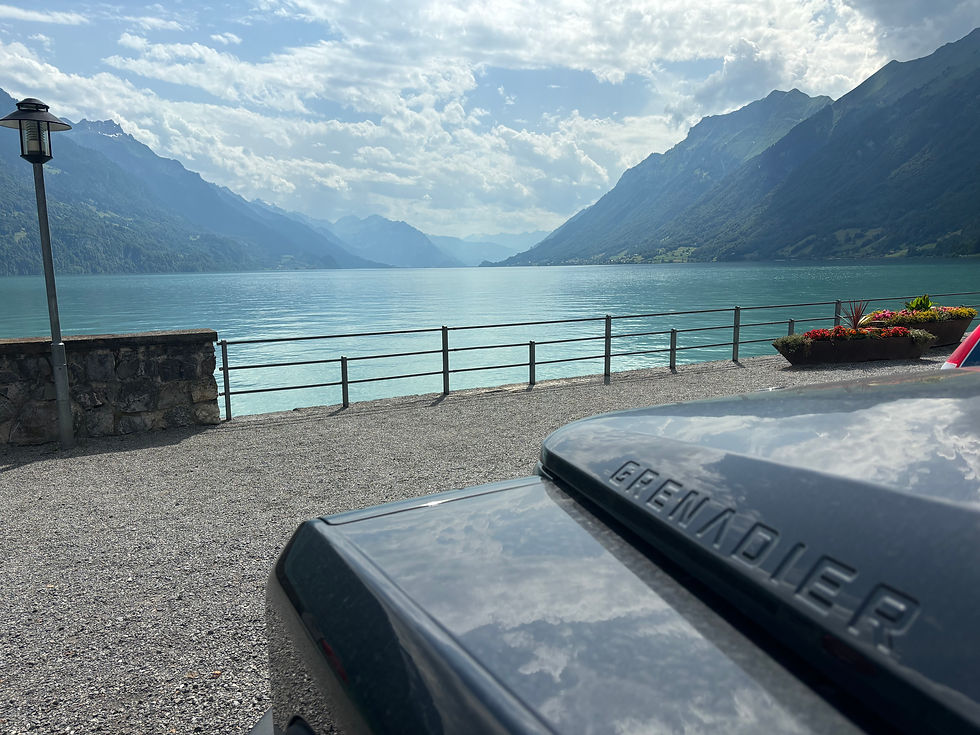
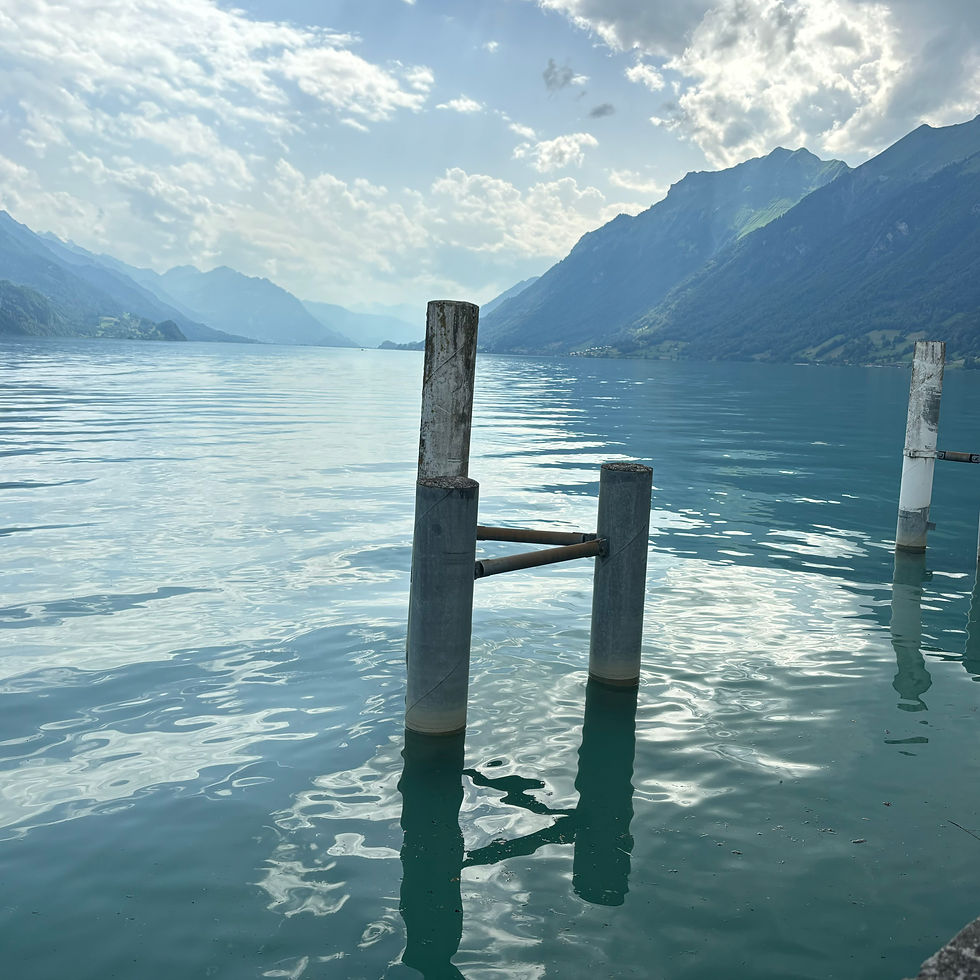


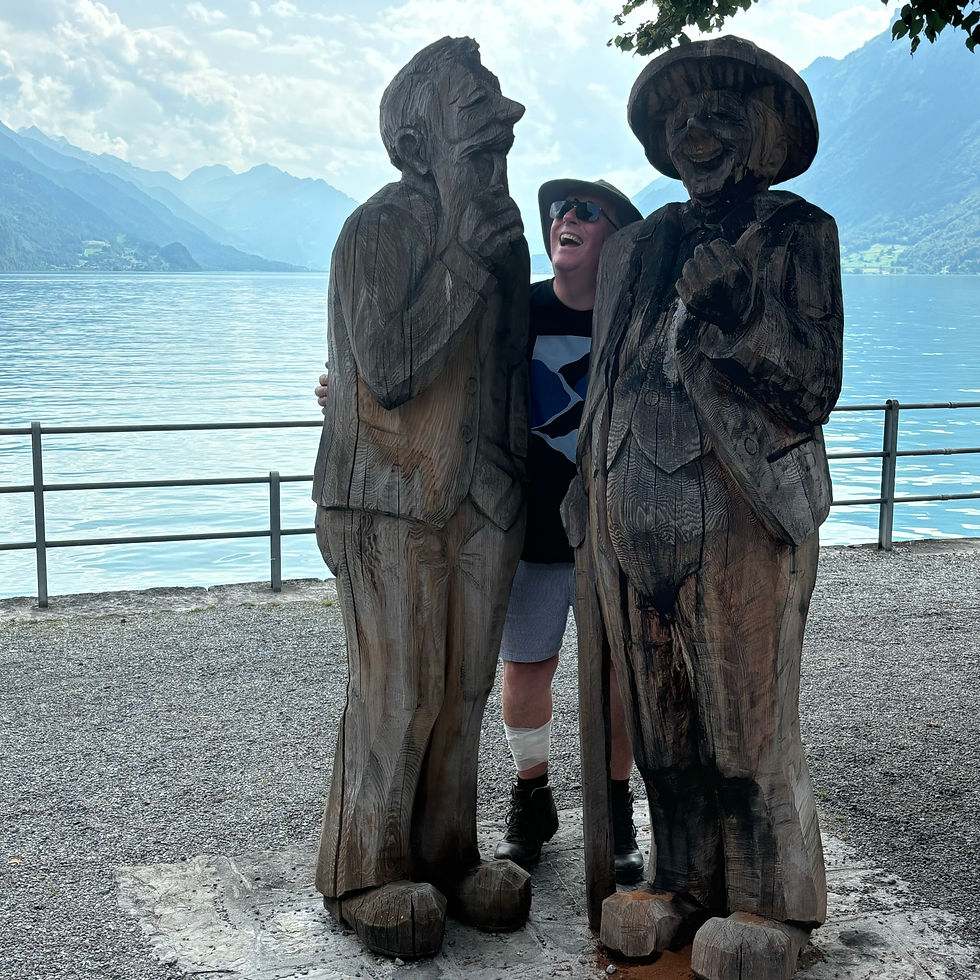
There is so much to see and do in this area that two days are insufficient, but having revisited the area a few years ago, this trip focused on a leisurely tour around Lake Brienz, the village of Lauterbrunnen, and the town of Interlaken.
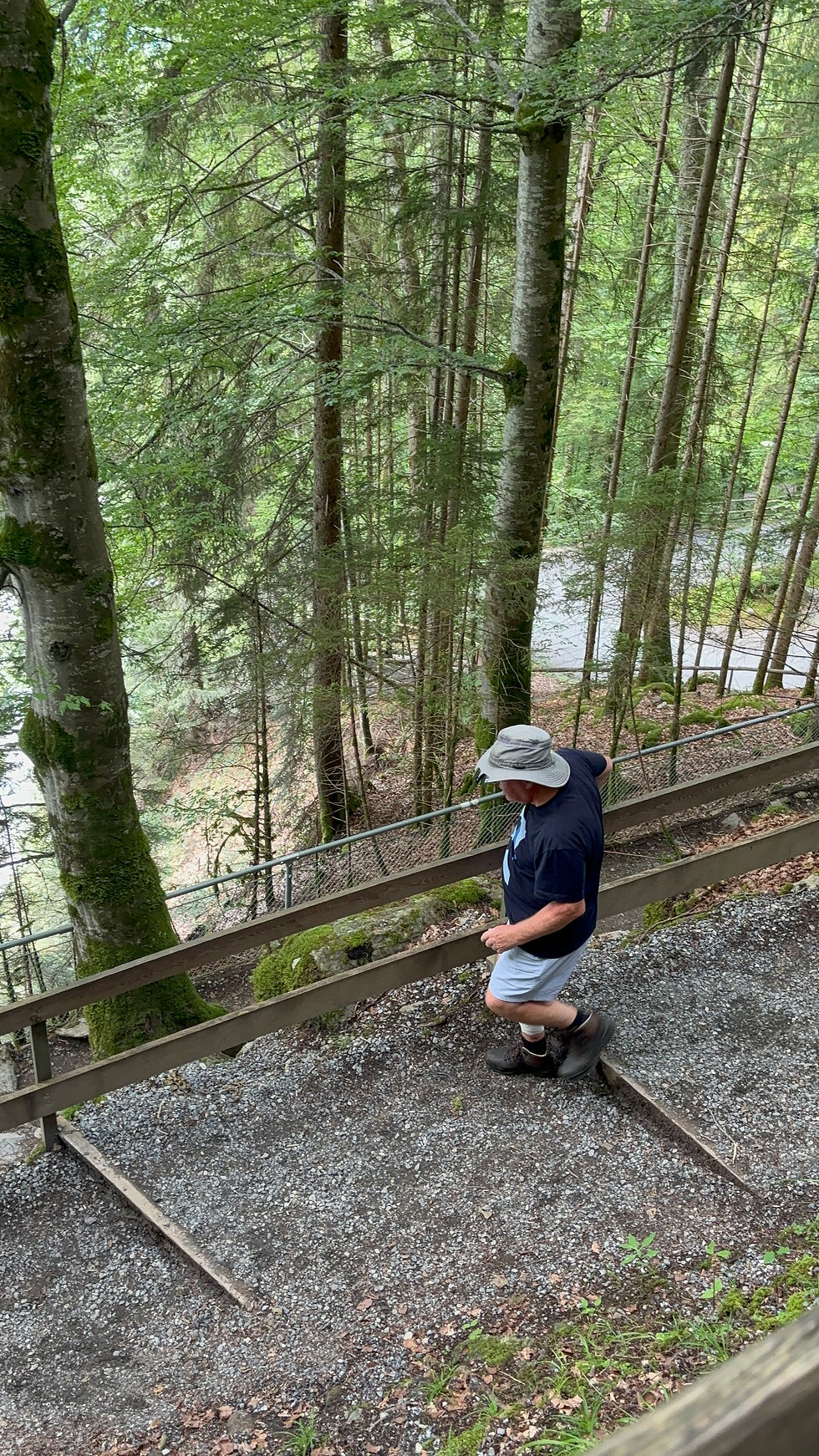
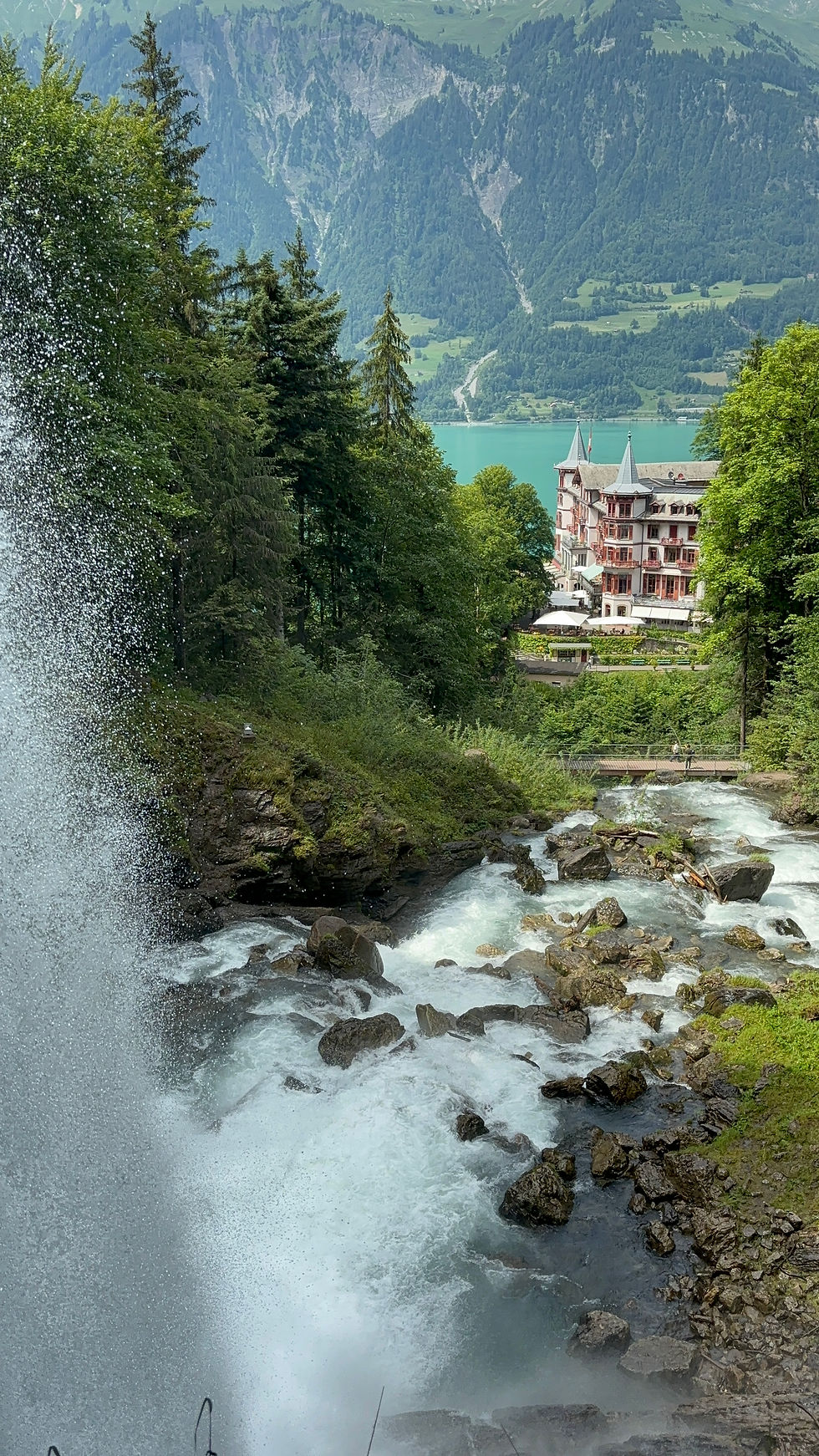
One of the highlights was walking to the Geissbach Falls where you can walk behind this powerful cascade of water and then look out to the Geissbach Hotel and the turquoise waters of Lake Brienz




If you visit, we highly recommend taking the train to Grindelwald and Wengen, and ascending the Schilthorn and Jungfrau mountains. Staying overnight in Interlaken incurs a tourist tax, but your host will provide a Guest Card for free public transport and discounts on lake cruises and some regional rail travel.
The Swiss Travel Pass is another excellent option for saving money, offering unlimited travel by train, bus, and boat, along with discounted entry to some excursions and free admission to over 500 museums. You can purchase the pass for a duration that suits your stay, and Swiss public transport is exceptional—punctual, clean, and safe. Although not cheap, with a 3-day pass costing around £240 per adult, planning your itinerary in advance ensures you make the most of it. For more details, visit www.myswitzerland.com
Day 20-21 France (29-01)
We were sad to leave Lauterbrunnen but it was time to make our way north through France as we started our journey home.
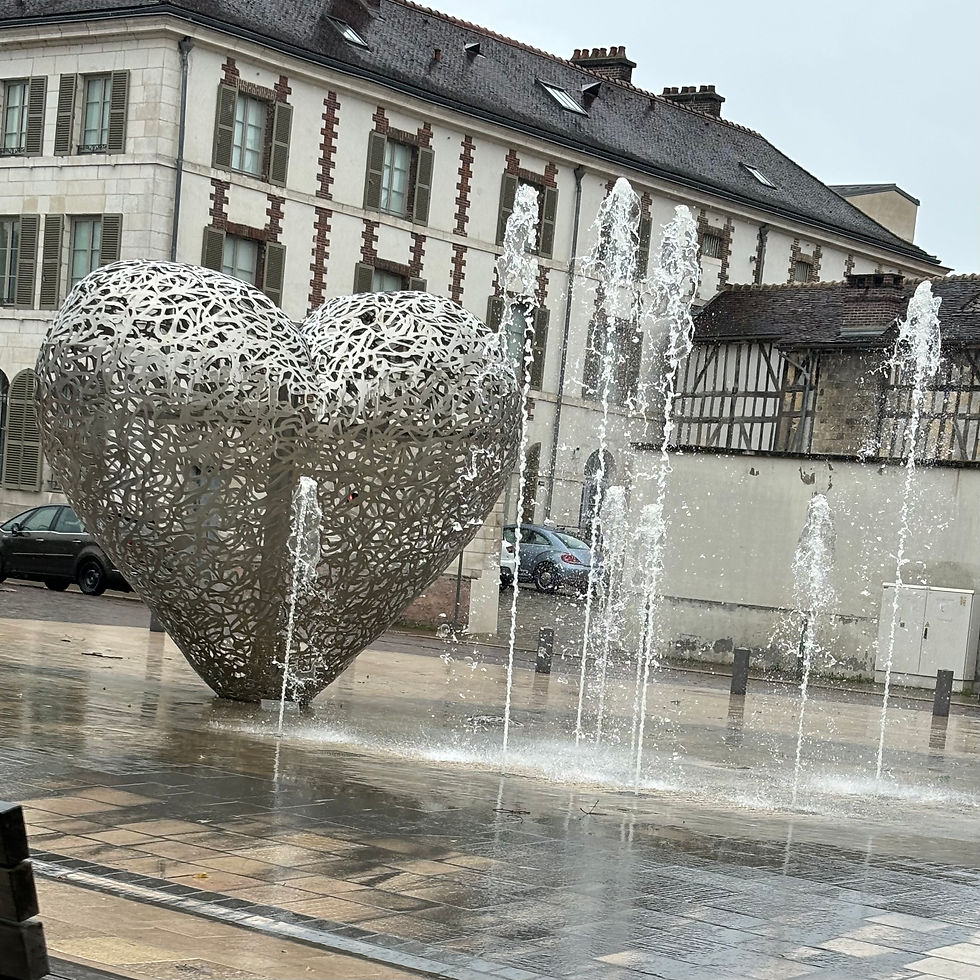
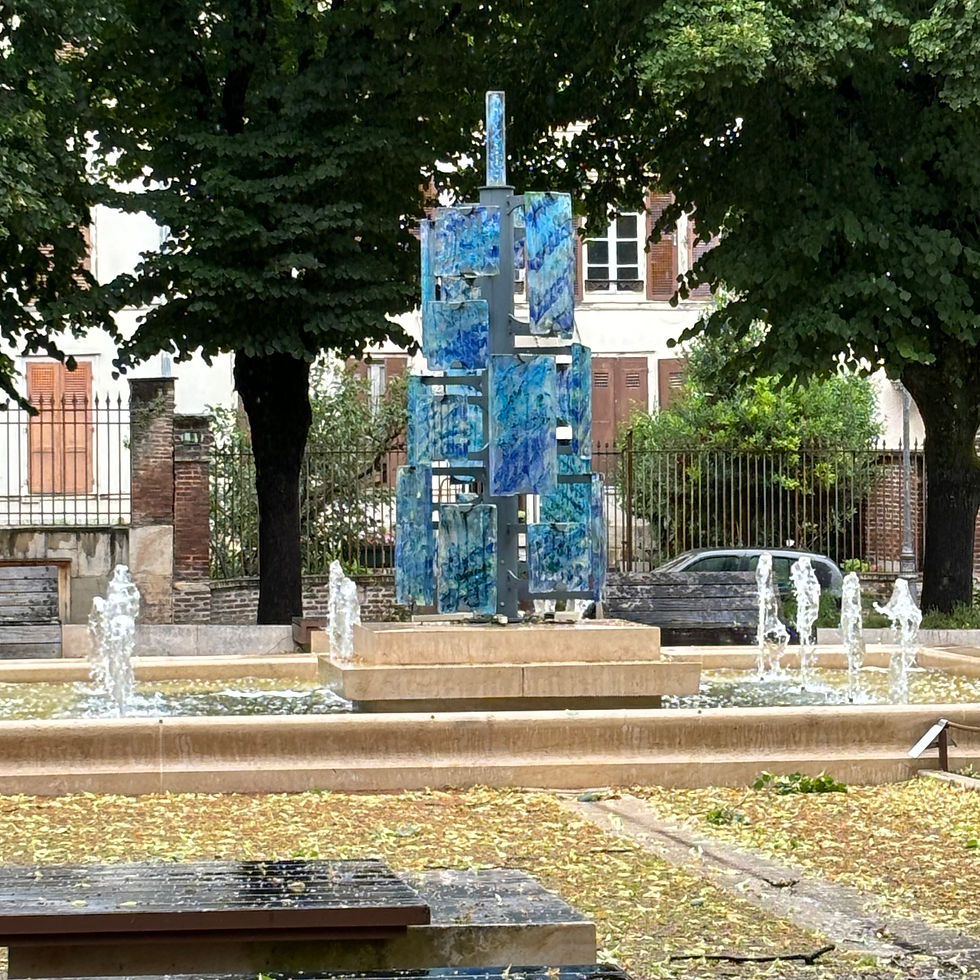
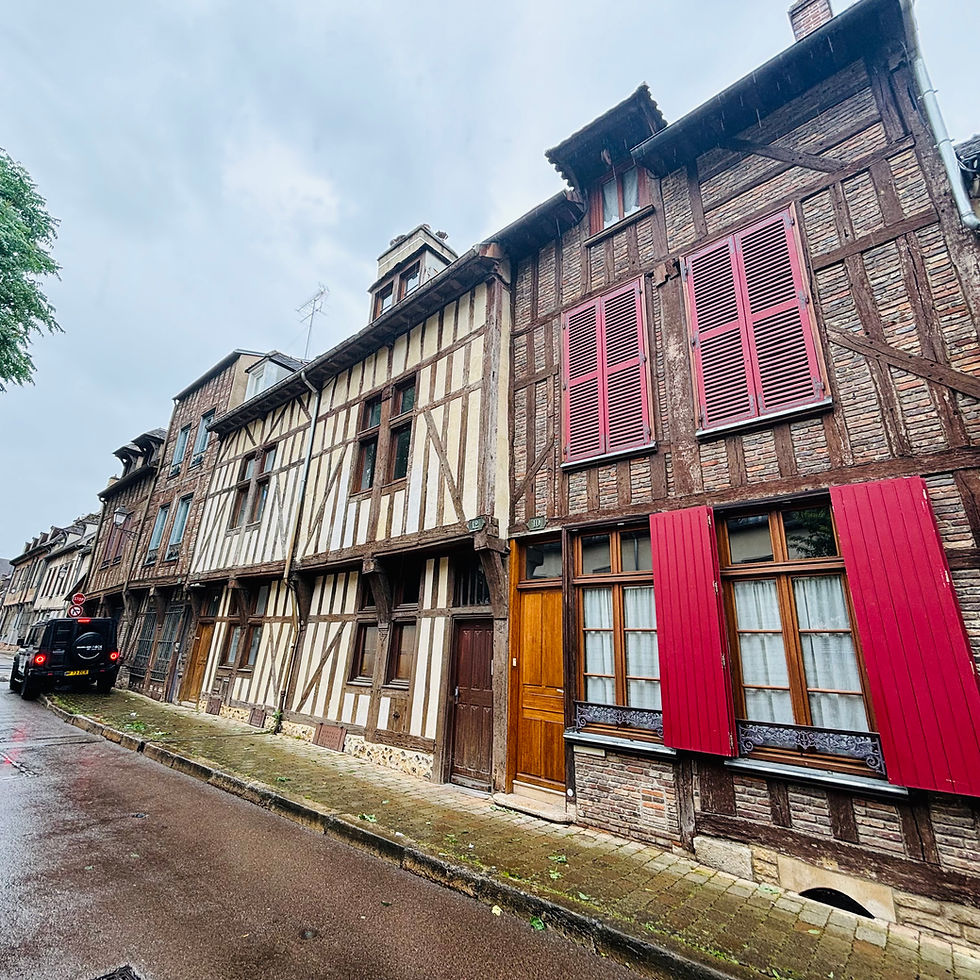
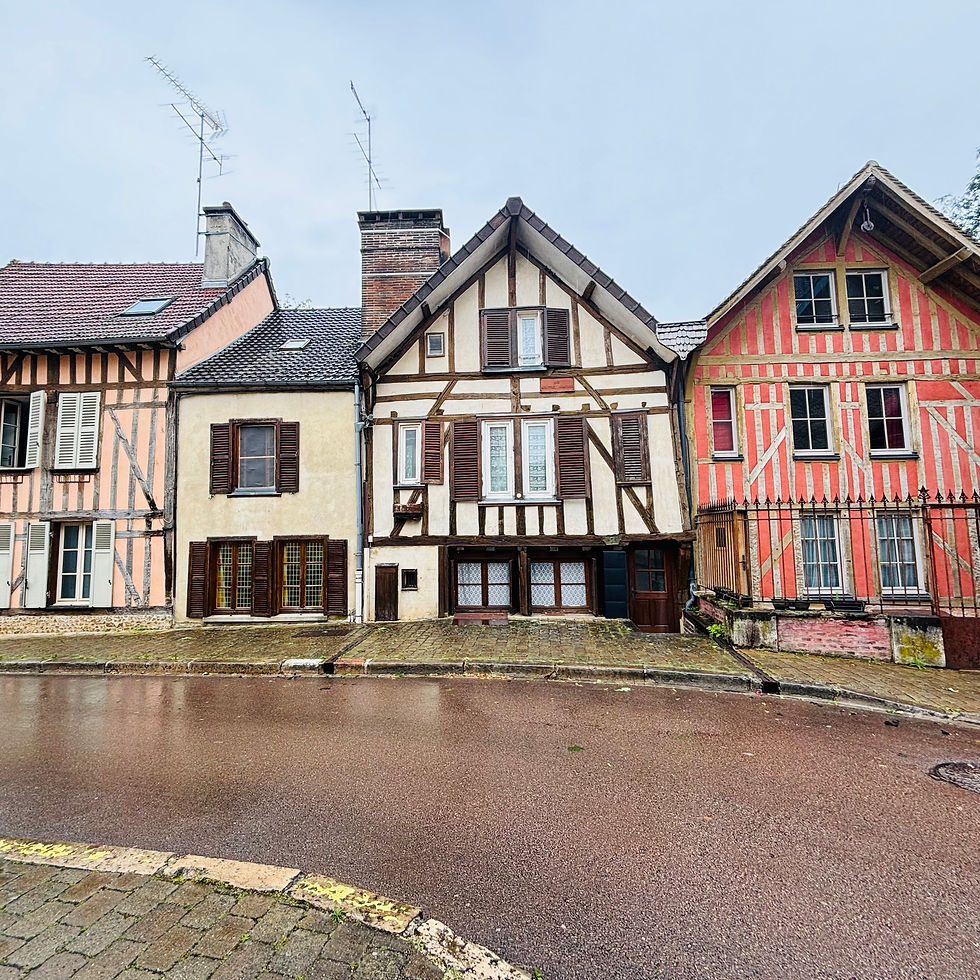
We stayed at Camping Lac d'orient for one night which is a great campsite with lots of amenities including a swimming pool. From here we visited Troyes on our way back to Calais as we were catching the ferry early in the morning. It almost feels sometimes as it is the last couple of nights you are in getting home mode rather than holiday/tour mode. However, we always remind ourselves that this is still part of our tour and to make the most of every minute.





Our Airbnb was basic but adequate and was sited only about 15 minutes from the port.
Wall art The kitchen The sitting room The TV
Catching the ferry is so easy and an early start is great for us as landing at Dover mid morning enabled us to return home the same day.
Some of our Tour stats for you to enjoy:
21 Day Tour
84 Hours Driving Time
3700 Miles travelled
10 Countries Visited
Our tour around Europe in our Ineos Grenadier was amazing in every way as we saw things on our bucket list, visited countries and places we'd never been to before and seen some stunning sights. We are really proud of the photographs we've taken with our iPhones too.
If you've enjoyed this blog please give it a like and if you want to see more of our travels consider subscribing to our YouTube channel which we have started and will be uploading videos on a regular basis www.youtube.com/@2ontourexplore


Comments